· AR · 4 min read
Augmented reality in sales: turning curiosity into confidence
Selling has always depended on trust, and augmented reality is redefining how that trust is built in the digital age by letting customers experience products instead of imagining them. By allowing people to see, place, try, and interact with products in their own environment, AR removes uncertainty around fit, value, and usability—key reasons behind hesitation, abandoned carts, and returns. This more human, experiential approach taps into the emotional side of buying, increasing confidence, engagement, conversion rates, and brand recall across industries from retail and real estate to B2B and automotive. As sales and marketing continue to merge, augmented reality is becoming a powerful bridge between discovery and decision, transforming selling from persuasion into service and shaping the future of online commerce.

Selling has always been about trust. Customers want to feel confident that what they’re buying is right for them—right size, right fit, right value. In the digital era, that confidence is harder to build. This is exactly why augmented reality sales experiences are becoming a game-changer for modern businesses.
Rather than asking customers to imagine how a product might look or work, augmented reality in sales shows them—clearly, interactively, and in real time.
Why Traditional Online Sales Often Fall Short
Online shopping is convenient, but it comes with friction. Flat images, videos, and long descriptions still leave room for doubt. Will the sofa fit the living room? Does the product look as premium in real life? Is this solution compatible with my workspace?
This uncertainty leads to hesitation, abandoned carts, and high return rates. That’s where augmented reality revamps online sales by removing guesswork and replacing it with experience.
What Makes Augmented Reality Such a Powerful Sales Tool?
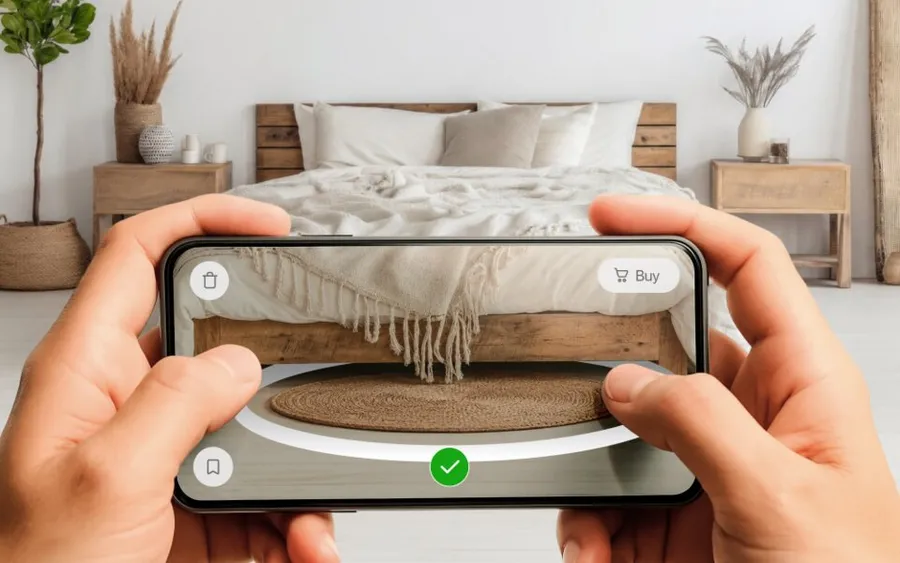
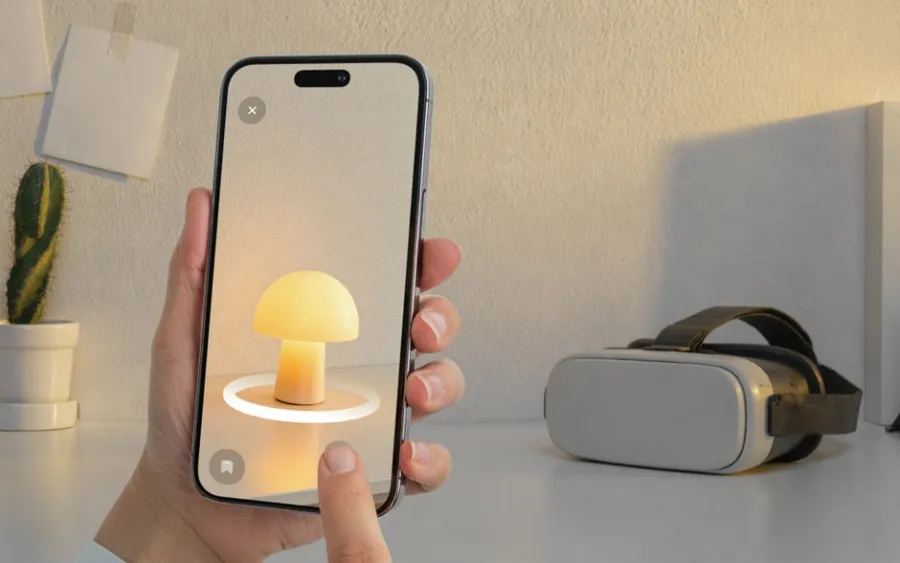
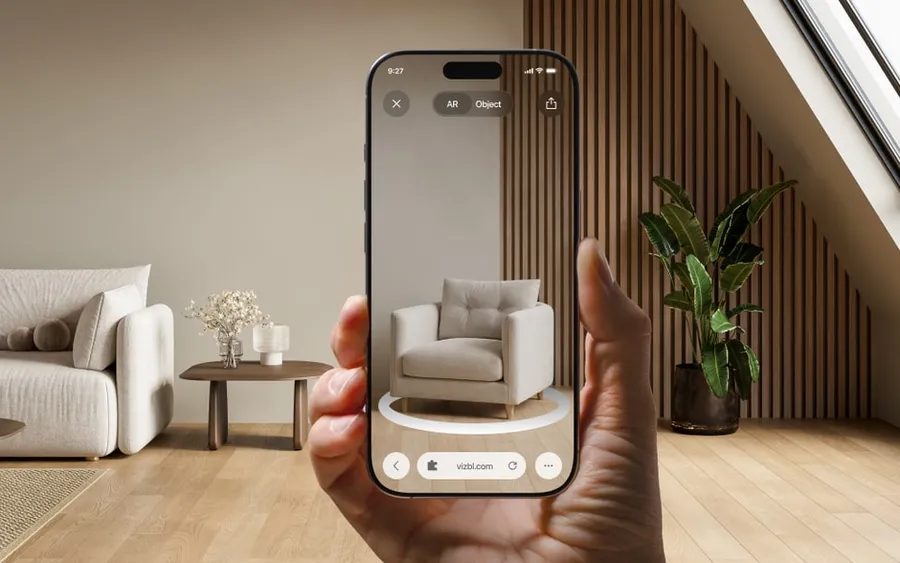
An augmented reality sales tool allows customers to interact with products in a way that feels personal and tangible. Using a mobile device or browser-based AR, they can rotate, resize, place, and explore products in their own environment.
This approach taps into how people naturally make decisions. Instead of reading about features, they experience them. The result is stronger engagement and faster buying decisions.
In many industries, the use of augmented reality to drive sales is proving more effective than traditional sales content because it puts the customer in control.
Read Also: Augmented Reality Fitness: When Technology Finally Feels Human
Augmented Reality and the Psychology of Buying
Buying is emotional before it’s rational. When customers see a product in their space or on themselves, it creates a sense of ownership. That emotional connection is one of the biggest reasons augmented reality boost sales so effectively.
With AR experiences:
- Customers feel more confident
- Products feel more “real”
- Decision fatigue is reduced
This is why augmented reality and sales conversions go hand in hand. When people feel certain, they act.
How Augmented Reality Increases Online Sales
Brands across retail and B2B are seeing that augmented reality increases online sales by transforming passive browsing into active exploration.
Here’s how augmented reality increase online sales in practical terms:
- Higher conversion rates: Customers who use AR are more likely to buy
- Lower return rates: Products meet expectations more accurately
- Longer engagement time: Users spend more time with AR-enabled products
- Stronger brand recall: Interactive experiences are memorable
Simply put, augmented reality sales experiences turn interest into intent.
Augmented Reality as a Sales and Marketing Tool
The line between sales and marketing is increasingly blurred. Today, an augmented reality sales and marketing tool supports both teams by creating a unified customer journey.
From a marketing perspective, augmented reality marketing sales campaigns capture attention in crowded digital spaces. Interactive ads, virtual product launches, and AR-powered social experiences help brands stand out.
From a sales perspective, AR enables:
- Remote product demonstrations
- Interactive proposals
- Personalized walkthroughs
Together, augmented reality in marketing and sales ensures consistency—from first impression to final purchase.
Real-World Applications of Augmented Reality in Sales
The impact of augmented reality in sales is already visible across industries:
- Ecommerce & retail: Virtual try-ons, furniture placement, and product previews
- B2B & manufacturing: Complex product visualization and configuration
- Real estate: Virtual staging and property walkthroughs
- Automotive: Interior previews and feature exploration
In every case, augmented reality sales tools help customers understand value faster and more clearly.
Why Augmented Reality Feels More Human
What makes AR special isn’t just the technology—it’s how human it feels. Customers aren’t being “sold to.” They’re discovering. They’re exploring at their own pace, in their own environment, on their own terms.
That’s why augmented reality in sales doesn’t replace human connection—it enhances it. Sales teams can focus on guidance and expertise, while AR handles visualization and demonstration.
The Future of Augmented Reality in Sales and Marketing
As AR becomes more accessible, it will move from being a competitive advantage to an expectation. Customers will increasingly choose brands that let them see, try, and understand products before buying.
For businesses looking to grow, the message is clear:
Augmented reality sales strategies aren’t just about innovation—they’re about clarity, confidence, and trust.
Final thought:
When customers can truly experience a product before purchasing, selling stops feeling like persuasion and starts feeling like service. That’s the real power of augmented reality in marketing and sales—and why it’s shaping the future of digital commerce.