· AR
Benefits of AR for ecommerce: when the customer is certain
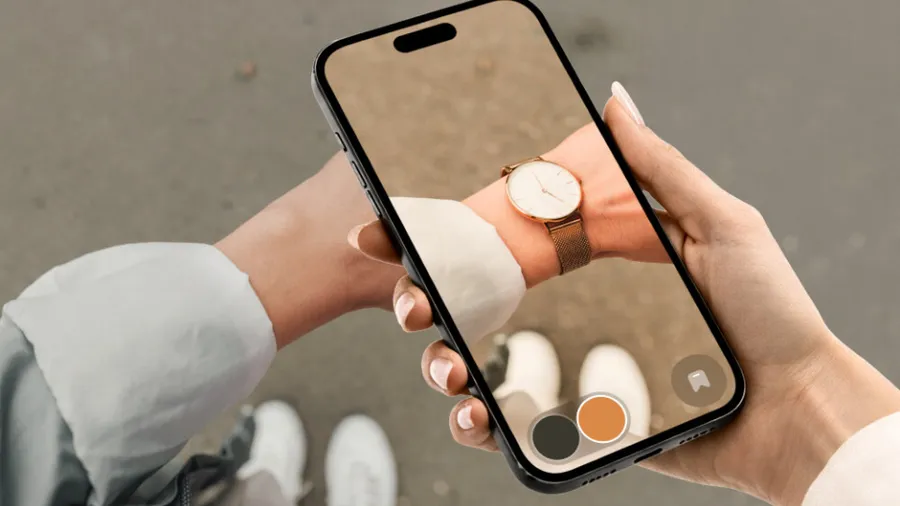
Photos and videos used to be enough. Increasingly, they’re not.

Photos and videos used to be enough. Increasingly, they’re not.
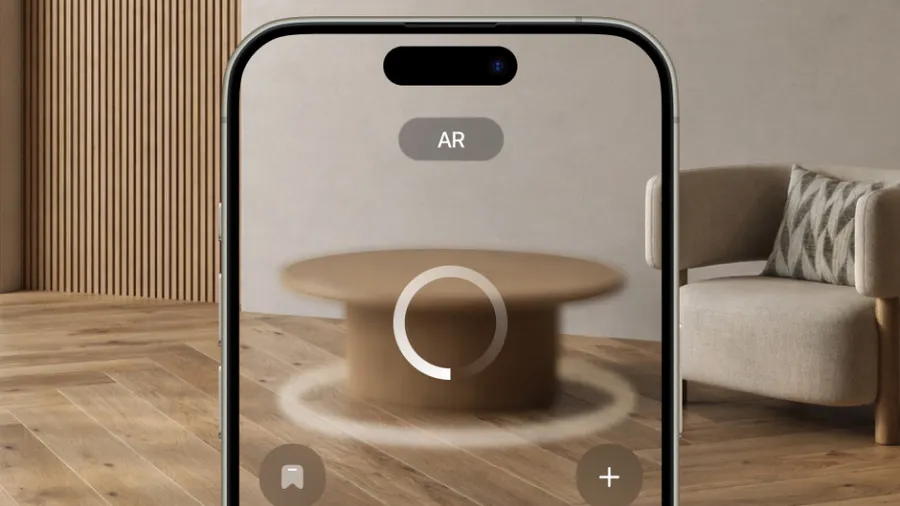
Expensive, complex, and risky? Not necessarily.
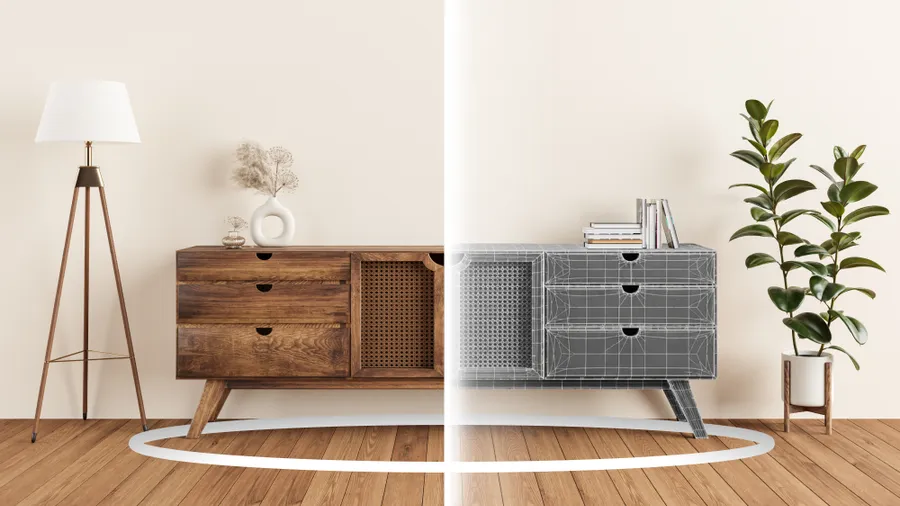
A breakdown of free and paid options for getting a 3D version of your product.

An augmented reality (AR) scanner transforms the way people interact with the physical world by turning real objects and spaces into digital, interactive experiences. Unlike traditional scanners that simply capture data, AR scanners understand depth, recognize surfaces, and anchor digital content to real environments in real time, allowing users to explore and engage with their surroundings through their devices. Modern AR scanner apps—available on smartphones and tablets across iOS and Android—enable activities like scanning rooms, animating objects, and attaching media or information to physical spaces without special hardware. As the technology spreads across industries such as retail, education, and design, AR scanners are reshaping how people access information and experiences, making the real world itself an interactive platform.

Augmented reality (AR) websites use a device’s camera and browser to blend digital content with the real world, allowing users to interact with products or 3D objects directly in their own environment without downloading an app. This transforms browsing from passive viewing into an engaging, personalized experience, helping industries like ecommerce, marketing, and education build trust and better showcase products. As mobile browsers improve, AR websites are becoming faster, more accessible, and likely to play a major role in the future of web experiences.

The article explains how augmented reality (AR) websites are transforming the traditional web experience by allowing users to interact with digital content in their real-world environment directly through a browser, without needing to download apps. Thanks to WebAR technology, brands across industries—such as IKEA, Nike, L’Oréal, LEGO, BMW, Shopify stores, Snapchat, National Geographic, and Gucci—are using AR to solve real problems, improve product visualization, enhance storytelling, and create more engaging user experiences. These examples show that effective AR websites focus on usefulness, speed, and clear purpose rather than flashy technology, helping users better understand products or content and make decisions more confidently. The article concludes that AR is expanding what websites can do and will likely become a standard feature in ecommerce, education, and digital storytelling in the near future.

The article explains how AR tattoos are transforming traditional body art from static ink into interactive experiences. While they look like normal tattoos, augmented reality tattoos reveal animations, sounds, or hidden messages when viewed through a phone, creating layered, deeply personal storytelling. Unlike filters, the physical tattoo remains permanent, with the digital layer adding meaning rather than replacing it. Designing AR tattoos requires thinking in both visual and motion elements, and they typically cost more due to the added technology and content creation. Ultimately, AR tattoos reflect modern identity—blending physical and digital selves—and represent not just a trend, but an evolution of how tattoos express memory, emotion, and individuality.

The article highlights how augmented reality (AR) on Android devices is revolutionizing furniture shopping by eliminating the uncertainty typically involved in purchasing online. AR allows users to virtually place furniture in their space, providing instant clarity on scale, style, and fit. With Android’s robust hardware, including advanced cameras and real-time space tracking, AR has become accessible to a broad audience without the need for special equipment. The technology not only helps shoppers make more confident decisions but also reduces returns and enhances customer trust. Beyond shopping, AR is being used for apartment planning, home staging, and collaborating with interior designers, making it a versatile tool in home design. The future of AR furniture promises even more lifelike experiences and smarter, personalized recommendations.

The article explains that augmented reality (AR) is rapidly becoming an essential tool in construction, helping bridge the gap between design and on-site execution by overlaying digital models onto real-world environments. Instead of relying solely on drawings and interpretation, teams can visualize layouts, detect clashes, track progress, guide installations, and verify quality in real time using mobile devices like tablets and phones. AR improves collaboration among architects, engineers, managers, and field crews while enhancing safety through hazard visualization and training simulations. As AR software integrates with BIM and project management systems, and works alongside virtual reality for design reviews, it is shifting construction from guesswork to precise, visual, data-driven building—making it a practical industry standard rather than just a technological trend.

iPhone augmented reality (AR) is revolutionizing furniture shopping by providing a more confident, personal, and intuitive experience. Rather than relying on imagination, shoppers can now visualize furniture in their own space, seeing it at true-to-life scale with accurate lighting and perspective. This technology offers practical benefits, such as answering questions about size and fit instantly, reducing guesswork and returns. The emotional connection of visualizing furniture in one’s actual home builds trust and empowers users to make faster, more confident decisions. As AR evolves, it promises even more personalized features, enhancing the future of shopping by making it more immersive and less pressured.
We use cookies and similar technologies to run this site, measure how it is used, and show relevant advertising. Read our Cookie Policy and Privacy Policy. California residents and others with the right may opt out of the sale or sharing of personal information.