· AR · 4 min read
Augmented reality is quietly rewriting how we grocery shop
Augmented reality is quietly transforming grocery shopping by turning static stores into responsive, personalized environments that reduce confusion, save time, and ease decision fatigue. Instead of forcing shoppers to research labels or compare products manually, AR overlays helpful, real-time information—like dietary fit, allergens, prices, health or sustainability cues—directly onto shelves through familiar devices, making the experience feel intuitive rather than futuristic. For shoppers, this means clearer choices and less stress; for retailers, it drives deeper engagement, smarter insights, and stronger trust. By blending the intelligence of ecommerce with the immediacy of in-store shopping, augmented reality upgrades physical grocery stores into guided, human-centered experiences without adding friction.

Think about the last time you went grocery shopping. You probably walked the same aisles, scanned the same shelves, and maybe—just maybe—stood there staring at two nearly identical products wondering which one was actually better. Now imagine if the store itself could help you decide.
That’s exactly where augmented reality grocery shopping comes in.
This isn’t about flashy tech for the sake of it. Augmented reality in grocery store environments is solving very real, very human problems: confusion, time pressure, information overload, and decision fatigue. And it’s doing it in a way that feels surprisingly natural.
From Static Shelves to Living, Responsive Stores
Traditional grocery stores are static. Shelves don’t explain themselves. Labels are tiny. Promotions are generic. The shopper does most of the work.
An augmented reality grocery store flips that dynamic.
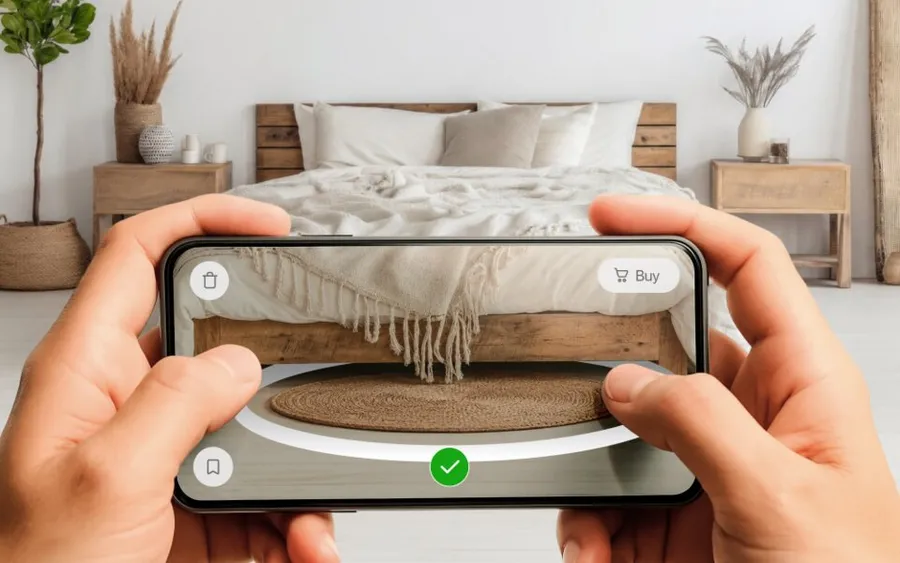
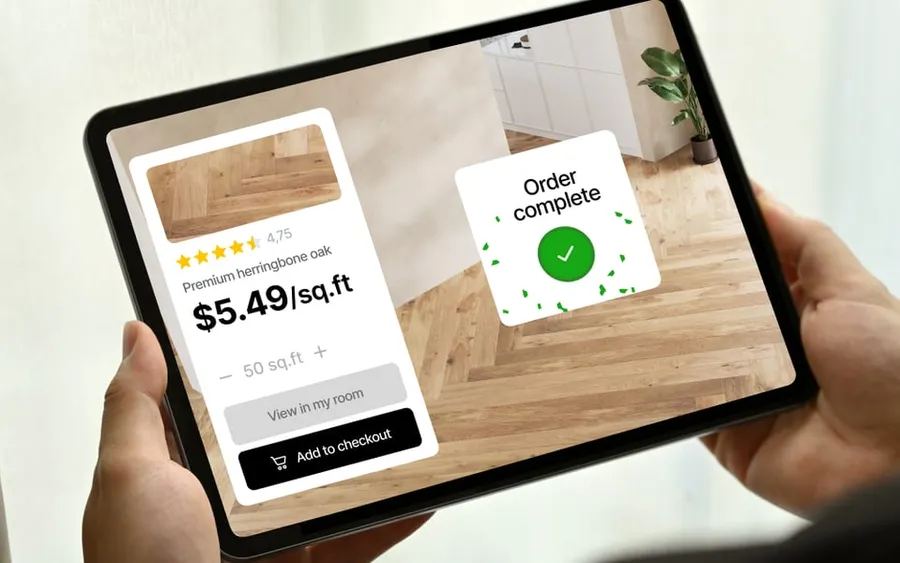
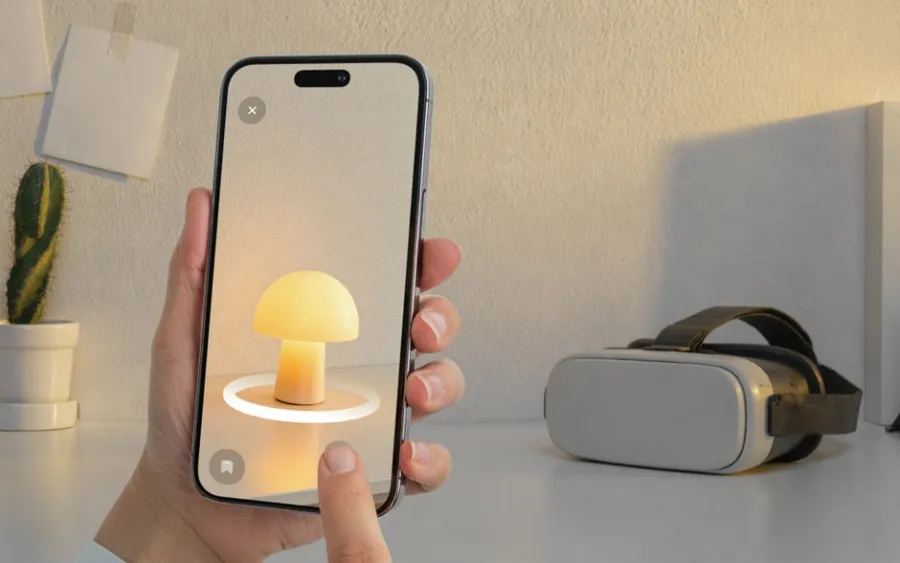
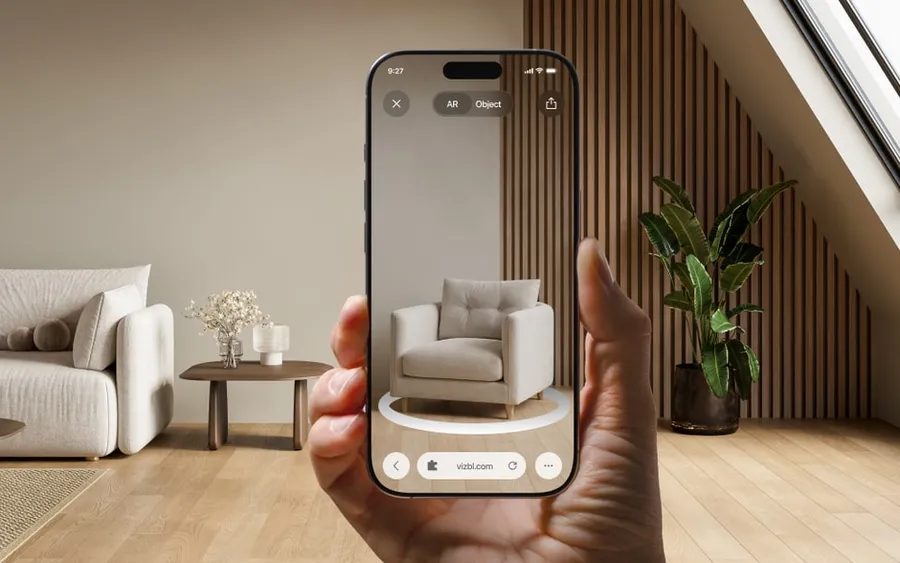
With AR, the store becomes responsive. Shoppers can lift their phone, tablet, or wearable device and see the physical world enhanced with helpful digital layers:
- Clear product details that actually matter
- Visual cues guiding them to what they need
- Context-aware suggestions based on preferences or goals
Instead of searching, guessing, or Googling in the aisle, information appears exactly where and when it’s needed.
Why Augmented Reality Grocery Shopping Feels So Natural
The reason augmented reality grocery experiences work so well is simple: they don’t ask shoppers to change their behavior. People already look at products, walk aisles, and compare items. AR just meets them there.
Here’s what that looks like in real life:
You point your phone at a shelf, and suddenly:
- Products that fit your diet light up
- Allergens are clearly flagged
- Prices update dynamically
- Health scores or sustainability indicators appear
No extra steps. No separate research. Just clarity.
That’s why augmented reality grocery shopping doesn’t feel futuristic—it feels intuitive.
Helping Shoppers Make Better Decisions (Without the Stress)
Modern grocery shoppers care about a lot:
- Health and nutrition
- Budget
- Sustainability
- Taste
- Time
Trying to balance all of that at once is exhausting. Augmented reality in grocery stores eases that mental load.
Instead of reading long ingredient lists or comparing brands manually, shoppers get instant, visual answers. AR can highlight the best-value option, show which product aligns with a specific diet, or suggest alternatives when something is out of stock.
The result? Less second-guessing. More confidence. Happier customers.
Augmented Reality Grocery Stores Are Personal—Not Pushy
One of the biggest shifts AR brings is personalization without intrusion.
Unlike traditional signage or promotions that are the same for everyone, augmented reality grocery experiences can adapt quietly in the background:
- Families see family-friendly deals
- Fitness-focused shoppers see protein-forward options
- Sustainability-minded customers see eco-impact data
Nothing is forced. Nothing feels salesy. The store simply feels like it understands you.
Read Also: Augmented Reality for Restaurants: Why the Future of Dining Is More Than Just Food
The Retailer Side: Why AR Is More Than a “Cool Feature”
For retailers, augmented reality in grocery store setups unlock value far beyond aesthetics.
Deeper Engagement
When shoppers interact with products through AR, they spend more time exploring—and that attention is intentional, not passive.
Smarter Insights
Every interaction reveals patterns: what people look at, what they skip, what information drives decisions. That data helps retailers refine layout, inventory, and promotions.
Stronger Brand Trust
Transparency builds loyalty. When customers feel informed rather than pressured, they’re more likely to return.
Differentiation That Actually Matters
Anyone can discount products. Not everyone can create an experience that feels helpful, human, and intelligent.
Augmented Reality Grocery Shopping and the Blending of Online + In-Store
Ecommerce changed expectations forever. Shoppers now want:
- Reviews
- Recommendations
- Personalization
- Speed
Augmented reality grocery shopping brings those online advantages directly into the physical store.
You get the immediacy of in-person shopping with the intelligence of digital commerce. The line between “online” and “offline” starts to disappear—and that’s where the real opportunity lies.
What the Future Augmented Reality Grocery Store Looks Like
We’re still early. The next generation of augmented reality grocery experiences will likely include:
- Real-time inventory awareness
- Smart meal planning that adapts as you shop
- AR assistants that answer questions on the fly
- Seamless syncing between in-store and online carts
The store won’t just react—it will anticipate.
Why This Shift Matters Now
Grocery retail runs on thin margins and high expectations. Shoppers want better experiences, but they don’t want friction. Augmented reality in grocery store environments meets that challenge head-on.
It makes shopping:
- Faster without rushing
- Smarter without overwhelming
- More personal without crossing boundaries
And perhaps most importantly, it makes grocery shopping feel less like a chore and more like a guided experience designed for real people.
Final Thought
The future of grocery isn’t about replacing physical stores—it’s about upgrading them.
Augmented reality grocery shopping transforms ordinary aisles into intelligent spaces. It respects the shopper’s time, supports better choices, and brings clarity to an environment that’s traditionally cluttered with noise.
As augmented reality grocery solutions continue to mature, one thing is clear: the most successful grocery stores won’t just stock products—they’ll communicate, guide, and connect.
And that’s a future shoppers are more than ready for.