· AR · 4 min read
Augmented reality retail shopping: when buying feels more like experiencing
Augmented reality retail shopping restores the emotional, human side of buying by replacing guesswork with real-world visualization, allowing shoppers to see products in their own spaces, on their bodies, or in context before purchasing. Rather than being flashy tech, AR works because it feels natural and practical—building confidence, reducing uncertainty, and making decisions easier across mobile, online, and in-store experiences. As customers grow accustomed to this clarity, expectations shift from static images to immersive previews, turning AR from a novelty into a trust-building tool that lowers returns, increases engagement, and aligns retail with how people naturally make decisions.
Shopping has always been emotional. Long before “add to cart” buttons and checkout flows, people wanted to see, touch, and imagine products in their lives. Somewhere along the way, ecommerce became efficient—but lost some of that magic.
That’s exactly why augmented reality retail shopping feels less like a trend and more like a correction.
Instead of asking shoppers to imagine, guess, or hope for the best, augmented reality shopping brings products into real life—right where decisions actually happen.
Why Augmented Reality Shopping Feels So Natural
Think about how people really shop today. They’re on the couch. In a store aisle. On the train. Standing in their kitchen wondering if that chair is too big or that color is too bold.
Shopping augmented reality fits into those moments perfectly.
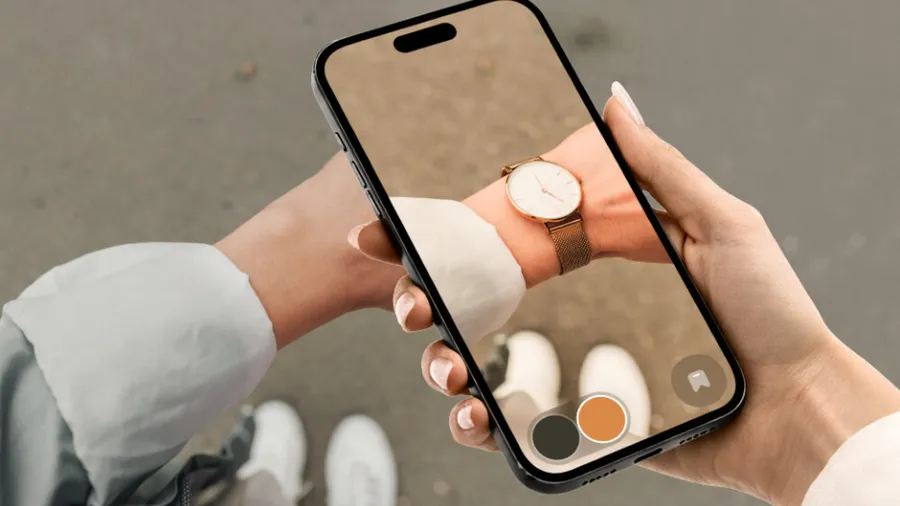
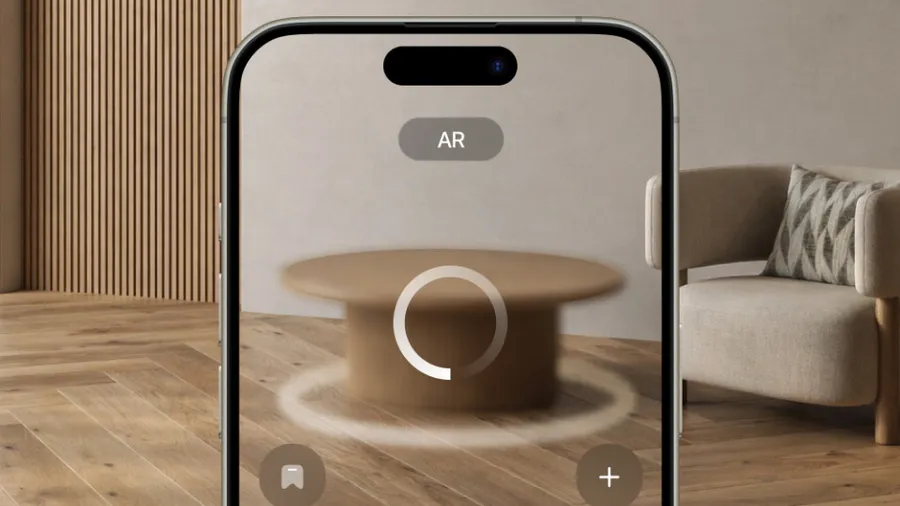
With a simple camera view, augmented reality for shopping overlays digital products onto physical spaces. The result isn’t flashy—it’s practical. And that practicality is what makes the augmented reality shopping experience feel human.
You’re no longer buying a product description.
You’re buying a preview of reality.
The Quiet Power of Augmented Reality and Shopping
The real strength of augmented reality and shopping isn’t about novelty. It’s about confidence.
Retail has always struggled with uncertainty:
Will this fit my space?
Will it look good on me?
Is this the right size, color, or style?
Augmented reality in shopping answers those questions instantly—without sales pressure, without returns, without regret.
That’s why brands adopting shopping with augmented reality often see something surprising: shoppers spend more time engaging, but feel less friction deciding.
Augmented Reality Shopping in Retail Isn’t Just for Ecommerce
It’s easy to assume AR only matters online, but augmented reality shopping in retail is just as powerful in physical stores.
Imagine walking into a shop and:
- Viewing product details by pointing your phone
- Seeing variations that aren’t physically stocked
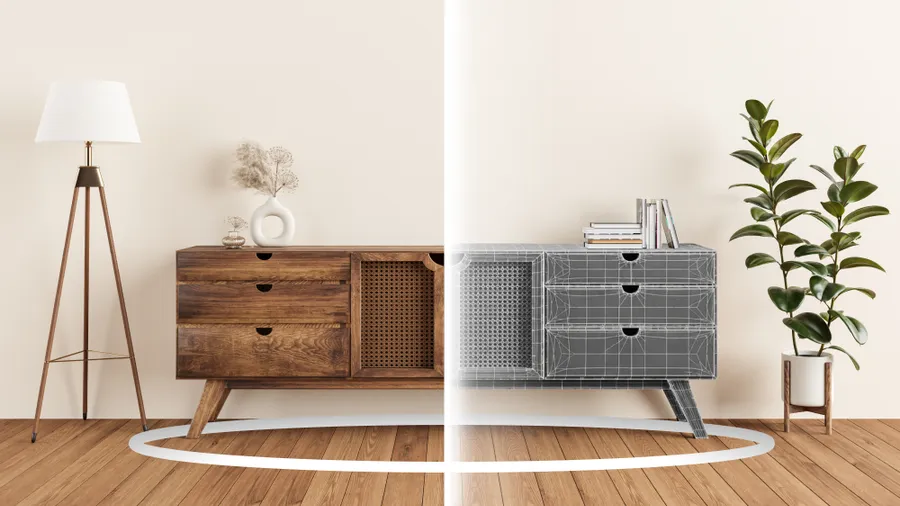
- Visualizing how products work together before buying
This blend of physical presence and digital context is where shopping in augmented reality really shines. Stores don’t need to become tech showrooms—they just need to become smarter.
Mobile Augmented Reality Shopping Is the Real Game Changer
Let’s be honest: if AR required headsets or special devices, it wouldn’t scale.
The reason mobile augmented reality shopping is taking off is simple—people already live on their phones.
With augmented reality in mobile shopping, customers can:
- Try products at home without effort
- Shop on impulse without uncertainty
- Move seamlessly from discovery to purchase
This is why shopping with augmented reality feels less like “new tech” and more like an obvious next step.
What Makes a Great Augmented Reality Shopping Experience
Not all AR is created equal. A strong augmented reality shopping experience feels intuitive, fast, and respectful of the user’s time.
The best experiences focus on:
- Accuracy over gimmicks
- Speed over complexity
- Utility over spectacle
When augmented reality for shopping works well, customers barely notice the technology—they just notice how easy the decision feels.
Augmented Reality Virtual Shopping and the Shift in Expectations
Consumers don’t compare brands the way they used to. They compare experiences.
Once shoppers experience augmented reality virtual shopping, static images and vague descriptions start to feel outdated. Expectations shift quietly—but permanently.
This doesn’t mean every brand needs to do everything at once. It means retailers need to ask a better question:
Where does visualization remove doubt for my customer?
That’s where augmented reality in shopping delivers real value.
Shopping in Augmented Reality Is About Trust, Not Tech
At its core, augmented reality shopping isn’t about innovation—it’s about trust.
Trust that the product will fit.
Trust that it will look right.
Trust that the purchase won’t become a return.
Brands that understand this use augmented reality shopping in retail to build relationships, not just transactions.
Read Also: Why Augmented Reality Is Quietly Becoming a Must-Have for Hair Salons
The Future of Shopping with Augmented Reality
As AR tools become more accessible and realistic, shopping in augmented reality will stop being a differentiator and start being an expectation.
The future isn’t louder tech—it’s quieter confidence:
- Fewer returns
- Better-informed customers
- More meaningful engagement
Augmented reality and shopping are evolving together, not because technology demands it, but because people do.
Final Thoughts
Retail doesn’t need more features. It needs more clarity.
Augmented reality retail shopping gives customers something rare in digital commerce: certainty. Whether through mobile augmented reality shopping, immersive augmented reality virtual shopping, or in-store experiences, AR brings shopping back to what it was always meant to be—personal, visual, and intuitive.
The brands that embrace augmented reality for shopping today aren’t just following a trend. They’re aligning with how humans naturally make decisions.
And that’s where real growth happens.