· AR · 4 min read
How ecommerce augmented reality is changing the way we shop online
Augmented reality in ecommerce is transforming online shopping by allowing customers to interact with products in a more realistic and immersive way before purchasing. Through AR ecommerce solutions, shoppers can visualize items in their own environment, try products virtually, and make more confident buying decisions. With practical augmented reality ecommerce examples and growing adoption in mobile apps, AR is helping businesses increase engagement, reduce returns, and create more human, personalized digital shopping experiences.

Online shopping has come a long way from simple product photos and short descriptions. Today, customers expect rich, interactive experiences that help them feel confident before clicking the “Buy Now” button. This is where ecommerce augmented reality is making a real impact. By combining digital content with the real world, augmented reality (AR) is reshaping how people discover, evaluate, and purchase products online.
Understanding Augmented Reality in Ecommerce
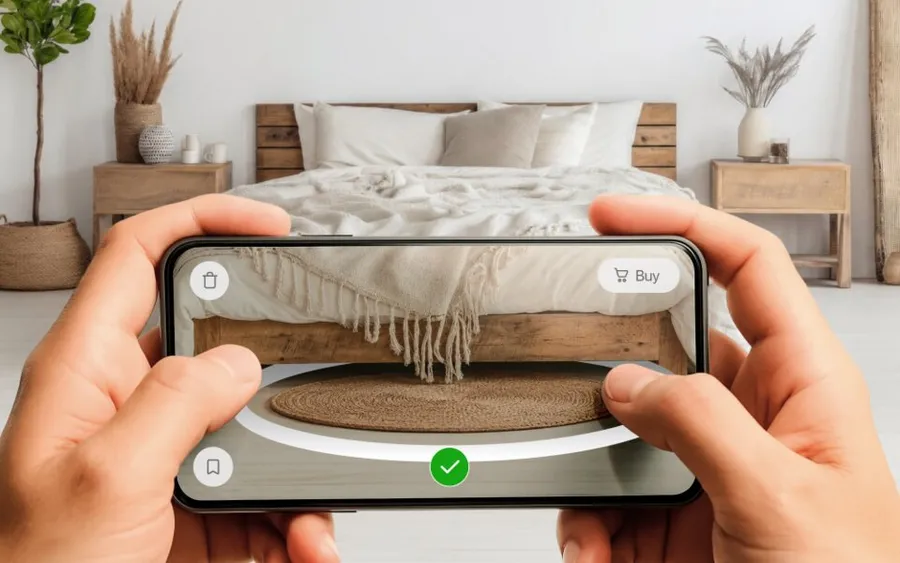
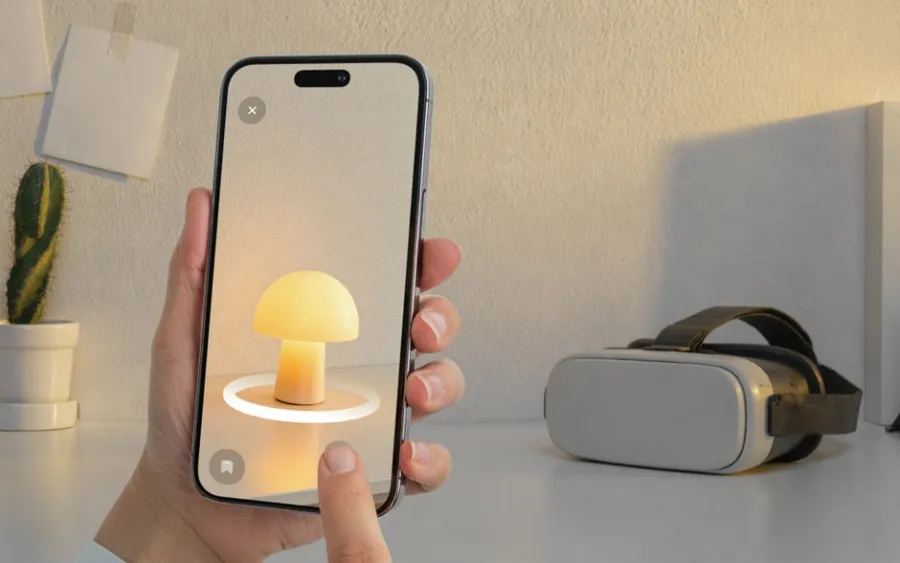
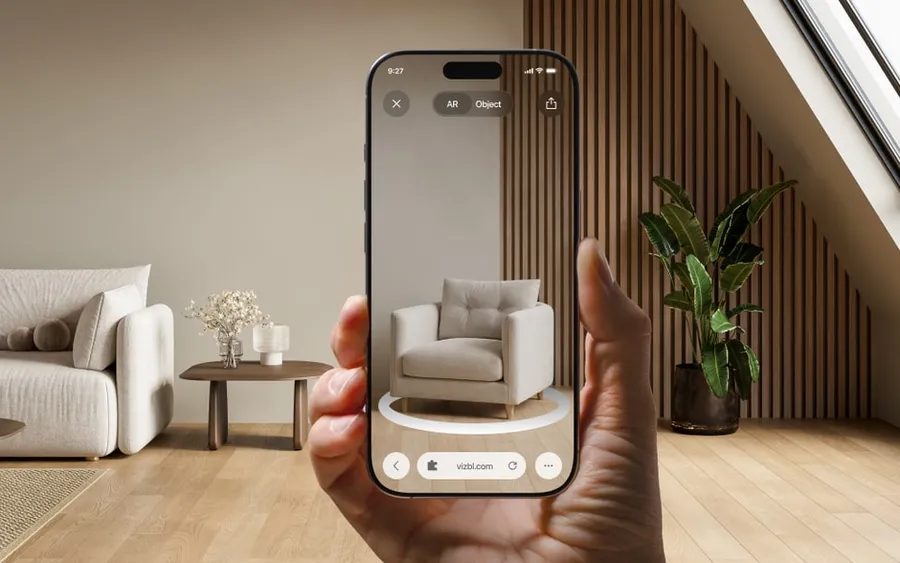
At its core, augmented reality in ecommerce allows shoppers to see virtual products within their physical environment. Using a smartphone camera or an AR-enabled device, customers can view items as if they already exist in front of them. This could mean placing a virtual sofa in a living room, trying on sunglasses through a phone screen, or previewing how a new wall color will look at home.
Unlike virtual reality, AR does not remove users from the real world. Instead, it enhances reality, making online shopping feel more personal and intuitive.
Why Augmented Reality Ecommerce Feels More “Human”
Traditional online shopping often lacks emotional connection. Flat images and generic descriptions make it difficult to imagine ownership. Augmented reality ecommerce solves this problem by making shopping more experiential.
When users can interact with a product—rotate it, resize it, or place it in their own space—it creates a sense of familiarity. This emotional connection plays a major role in buying decisions. Customers don’t just see a product; they experience it.
Real-World Augmented Reality Ecommerce Examples
There are many practical augmented reality ecommerce examples already influencing consumer behavior:
- Furniture retailers allow shoppers to visualize couches, beds, or shelves inside their homes
- Beauty brands offer virtual makeup try-ons that adjust to facial features
- Fashion companies let users preview shoes or accessories on their body
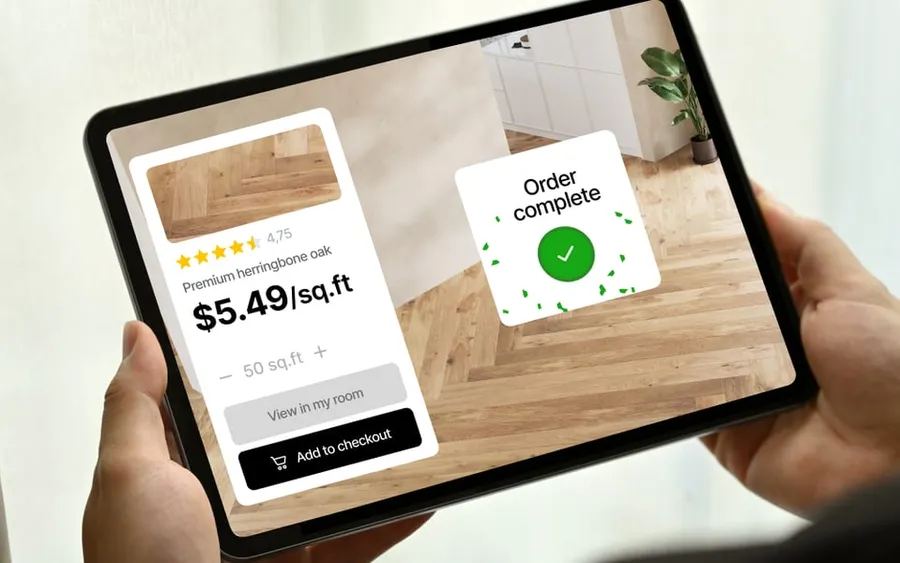
- Home improvement stores provide AR tools for layout planning and design
These examples prove that AR is not a trend—it’s a functional solution to real shopping challenges.
The Rise of the Augmented Reality Ecommerce App
As mobile commerce grows, the augmented reality ecommerce app has become one of the most powerful tools for brands. Instead of redirecting users to external platforms, AR features are now built directly into shopping apps.
A well-designed augmented reality ecommerce app can:
- Increase user engagement and session time
- Improve purchase confidence
- Reduce product returns
- Strengthen brand loyalty
Consumers are more likely to return to an app that offers convenience, creativity, and clarity.
Read Also: How AI Is Quietly Redefining 3D Creation: A Look Into the Future of AI 3D Model Generation
AR Ecommerce and Mobile-First Consumers
Modern consumers shop primarily on their phones. This makes AR ecommerce especially effective. Smartphones already have cameras, sensors, and processing power required for AR experiences, making adoption seamless.
An ecommerce app AR feature allows users to instantly access product visualization without extra steps. This ease of use encourages exploration and keeps customers engaged longer, which directly impacts conversions.
Business Benefits of Augmented Reality in Ecommerce
For businesses, augmented reality in ecommerce is more than a visual upgrade—it’s a strategic advantage. Brands that use AR gain deeper insights into customer preferences, improve marketing performance, and differentiate themselves in crowded markets.
Key business benefits include:
- Higher conversion rates
- Lower return costs
- Better customer satisfaction
- Stronger brand storytelling
AR helps businesses communicate value more clearly and transparently.
The Future of Ecommerce Augmented Reality
As technology continues to evolve, ecommerce augmented reality will become more advanced and accessible. With faster internet speeds, improved 3D modeling, and AI-driven personalization, AR experiences will feel even more realistic.
In the near future, augmented reality ecommerce may become a standard expectation rather than a competitive bonus. Brands that delay adoption risk falling behind those that embrace innovation early.
Final Thoughts
Shopping online should feel confident, engaging, and enjoyable. Augmented reality ecommerce brings these qualities together by turning digital shopping into an interactive experience. From practical augmented reality ecommerce examples to immersive augmented reality ecommerce app solutions, AR is redefining how consumers connect with products.
As AR ecommerce continues to grow, integrating ecommerce app AR features will no longer be optional—it will be essential for brands that want to stay relevant in the digital marketplace.