· AR · 4 min read
AR without QR code: A more natural way to experience augmented reality
AR without QR codes represents a shift toward more natural, frictionless augmented reality experiences that blend seamlessly into the real world. Unlike QR-based AR, which interrupts design and requires user instruction, markerless and browser-based AR activates instantly through image recognition, surface detection, location awareness, web links, or NFC—often without needing an app. This approach feels more human and intuitive, encouraging discovery, longer engagement, and sharing. As a result, industries like retail, marketing, education, museums, and events are adopting AR without QR codes to deliver cleaner design, faster engagement, higher participation, and stronger emotional impact. Overall, the move away from QR codes reflects a broader mindset change in AR: prioritizing user experience and accessibility so the technology fades into the background and the experience takes center stage.
For a long time, QR codes were the gateway into augmented reality. You’d see a black-and-white square on a poster, package, or menu, pull out your phone, scan it, and then something interesting would happen. It worked — but it was never elegant.
Today, we’re moving into a new phase where AR without QR code is becoming the preferred approach. Augmented reality no longer needs obvious markers or extra steps. Instead, it’s starting to feel like a natural extension of the real world — which is exactly what AR was always meant to be.
Why QR Codes Always Felt Like a Compromise
QR codes solved an early problem: how to connect physical spaces to digital content. But they also created new ones.
They interrupt design.
They require explanation.
They remind users they’re “using technology” instead of simply experiencing it.
In many cases, people still don’t scan QR codes unless they’re clearly instructed to do so. That moment of hesitation is where engagement is lost. This is why augmented reality without QR code is such an important shift — it removes friction and lets curiosity do the work.
What AR Without QR Code Actually Means
When we talk about AR without QR code, we’re not talking about a single technology. It’s a combination of smarter systems working quietly in the background.
Instead of scanning a code, AR can now be triggered by:
- Recognizing an image, logo, or product
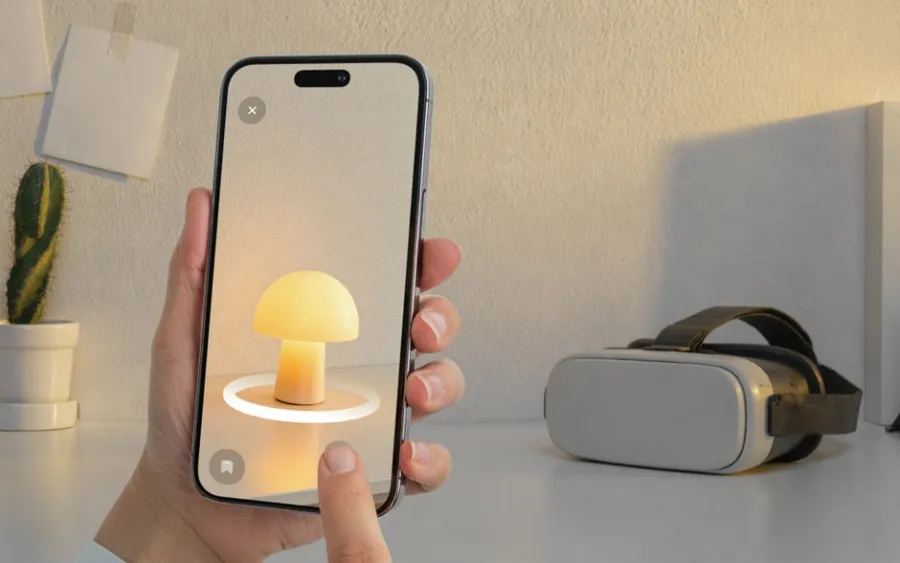
- Detecting a surface like a floor or table
- Understanding a user’s location
- Opening a simple web link
- Using NFC or automatic browser-based AR
The experience starts instantly, without the user needing to understand how it works — it just does.
Augmented Reality Without QR Code Feels More Human
The biggest difference isn’t technical — it’s emotional.
When AR appears naturally, users don’t feel like they’re “activating” something. They feel like they’ve discovered it. That sense of discovery is powerful. It’s the reason people spend more time with markerless AR experiences and are more likely to share them.
Augmented reality without QR code feels closer to how humans naturally interact with the world: we look, we point, we move, and things respond.
QR Code Augmented Reality Without App: Removing Even More Barriers
Another major leap forward is QR code augmented reality without app experiences. This approach removes two traditional obstacles at once: no QR code and no app download.
Using WebAR, users can:
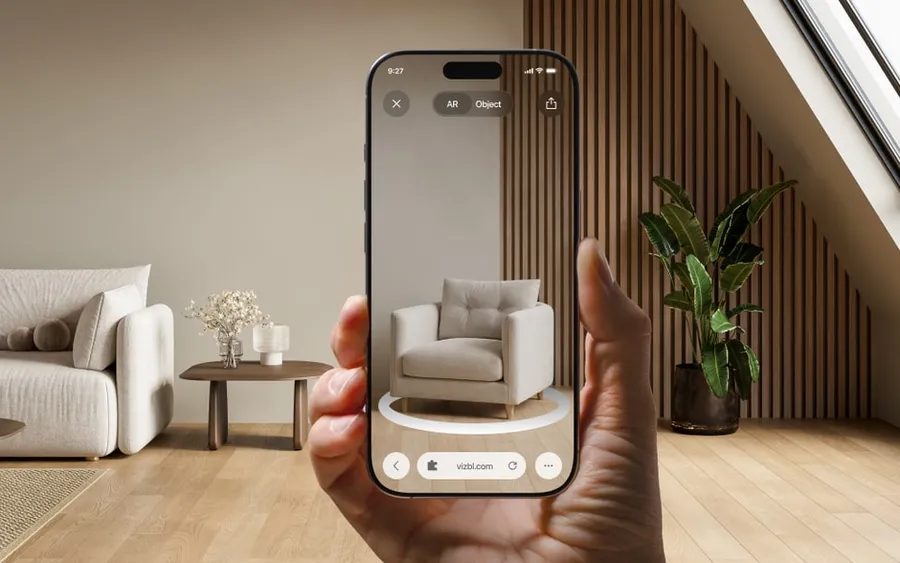
- Open AR experiences directly in their mobile browser
- Avoid app stores, installations, and permissions
- Access content instantly from a link or recognized image
From a user’s perspective, it feels effortless. From a business perspective, it dramatically increases participation. Every removed step increases the chance someone actually tries the experience.
Also Read: How Ecommerce Augmented Reality Is Changing the Way We Shop Online
Real-World Uses That Feel Natural
Retail
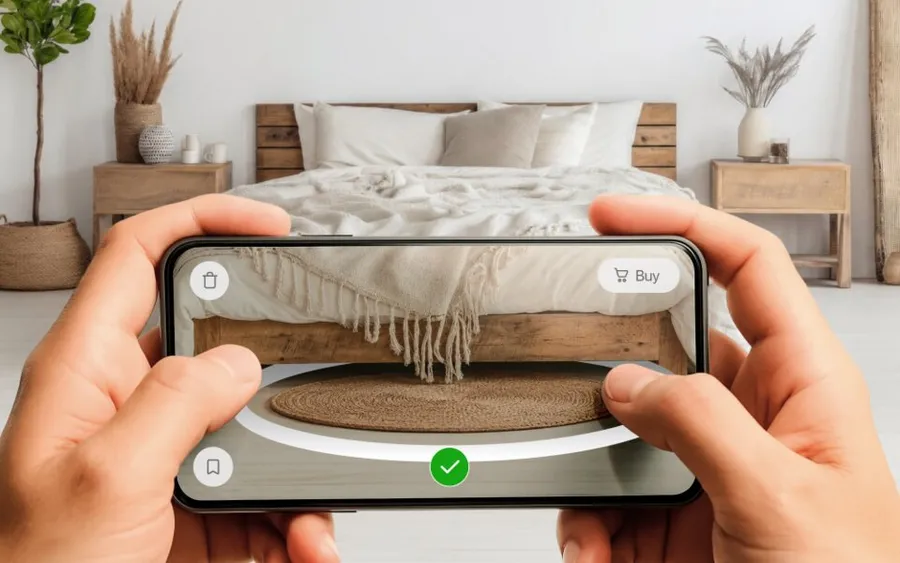
A shopper points their phone at a product and instantly sees how it looks in their space. No QR code on the packaging. No instructions needed.
Marketing & Advertising
A poster comes to life when viewed through a phone. The design stays clean, and the AR feels like part of the creative idea — not an add-on.
Museums & Education
Students explore AR content simply by looking at exhibits or illustrations. The learning experience feels immersive, not technical.
Events & Experiences
Location-based AR activates automatically when users enter a space, creating moments of surprise and delight.
These use cases work because the technology stays out of the way.
Why Businesses Are Choosing AR Without QR Code
Brands are realizing that people don’t want to learn how to use AR — they just want it to work. AR without QR code supports that expectation by offering:
- Faster engagement
- Cleaner visual design
- Higher completion rates
- Stronger emotional impact
- Easier updates through web-based systems
And when combined with QR code augmented reality without app delivery, AR becomes accessible to almost anyone with a smartphone.
The Direction AR Is Clearly Heading
QR codes aren’t disappearing overnight, but they’re no longer the centerpiece of AR experiences. The industry is clearly moving toward markerless, browser-based, and context-aware solutions.
Augmented reality without QR code is not just a technical improvement — it’s a mindset change. It prioritizes human behavior over technical shortcuts. It respects attention. And it allows AR to blend into everyday life instead of standing out as a gimmick.
Final Thoughts
The most successful AR experiences are the ones users don’t have to think about. They don’t ask, “How do I start this?” They simply start.
That’s why AR without QR code, augmented reality without QR code, and QR code augmented reality without app approaches are shaping the future of immersive digital experiences. When the technology disappears, the experience finally shines.