· AR · 4 min read
Augmented reality in the hospitality industry: when technology finally feels human
The article argues that augmented reality (AR) fits naturally into the hospitality industry because it enhances emotional experiences rather than replacing human service. By integrating seamlessly into devices guests already use, AR adds intuitive layers of meaning, confidence, and delight across the entire guest journey—from previewing rooms before booking, to navigating spaces independently, to enriching dining through storytelling and personalization. Used thoughtfully, AR feels helpful rather than invasive, empowering both guests and staff while reducing friction and confusion. Ultimately, the piece emphasizes that successful AR in hospitality isn’t about flashy technology, but about making guests feel oriented, understood, and cared for—quietly transforming moments into memorable, human-centered experiences.
Hospitality has never really been about rooms, tables, or buildings. It’s about how a place makes you feel. Welcome. Curious. Relaxed. Inspired.
That’s why the augmented reality hospitality industry conversation is so interesting right now—because for the first time in years, technology isn’t just making things faster. It’s making experiences richer.
Augmented reality (AR) isn’t here to replace human service. It’s here to quietly enhance it, adding layers of meaning, convenience, and delight exactly where guests want them.
Why Augmented Reality Fits Hospitality So Naturally
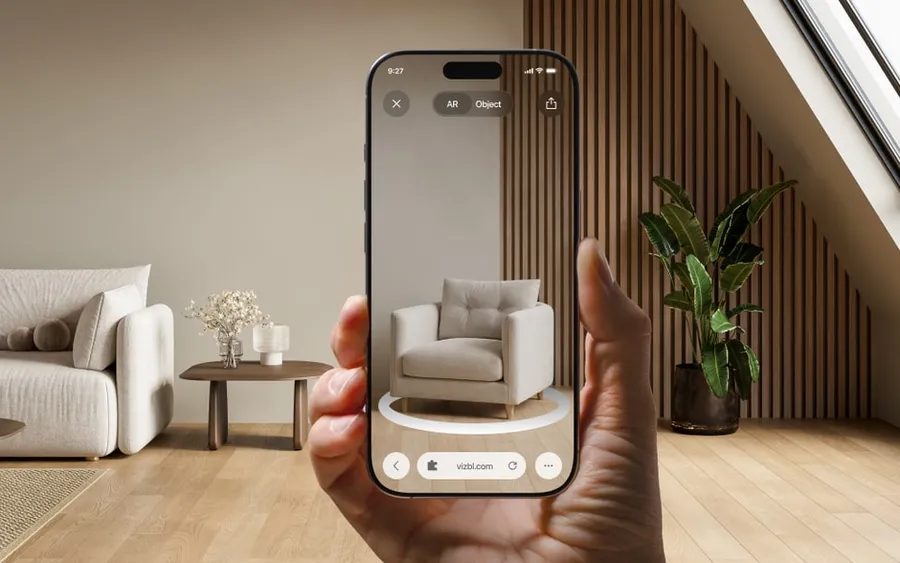
Guests don’t want to learn new technology while traveling. They want things to feel intuitive. AR works because it lives inside devices people already use every day—their phones.
In the augmented reality hospitality industry, AR doesn’t ask guests to step into a digital world. Instead, it brings digital moments into the real one:
- A room that explains itself
- A menu that tells a story
- A destination that reveals hidden details
That subtlety is what makes AR feel human rather than disruptive.
Before Arrival: Turning Curiosity Into Confidence
Booking a hotel or restaurant is often an emotional decision. Photos can be misleading. Descriptions can feel generic. AR bridges that trust gap.
With augmented reality:
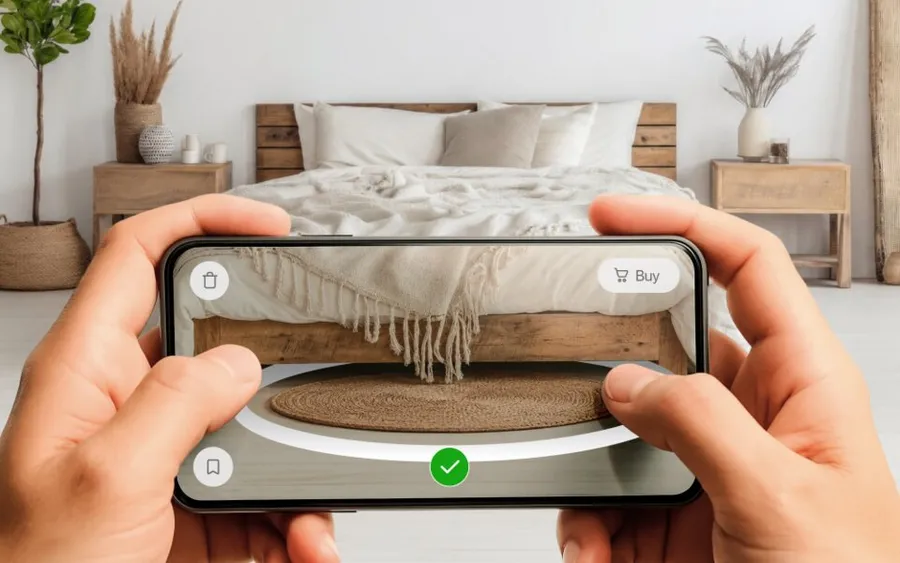
- Guests can preview rooms at real scale
- Event planners can visualize layouts before committing
- Travelers can explore surroundings as if they’re already there
In the augmented reality hospitality industry, this transparency builds confidence—and confident guests are far more likely to book, upgrade, and return.
Arrival and Stay: Let the Space Speak for Itself
Once guests arrive, AR becomes a quiet companion rather than a loud feature.
Imagine pointing a phone at the lobby artwork and discovering the story behind it. Or scanning your room to learn how lighting, temperature, or entertainment works—without calling reception.
Augmented reality hospitality industry solutions help:
- Reduce confusion during check-in
- Minimize repetitive guest questions
- Empower guests to explore independently
It’s not about replacing staff—it’s about freeing them to focus on meaningful, personal interactions.
Dining: Where AR Adds Emotion, Not Just Information
Food is emotional. Great hospitality understands that. AR doesn’t just show what a dish looks like—it adds context.
In restaurants, AR can:
- Visualize dishes in 3D before ordering
- Share the origin of ingredients or the chef’s inspiration
- Suggest pairings based on mood, not just rules
Within the augmented reality hospitality industry, dining becomes storytelling—not just service.
Personalization That Feels Thoughtful, Not Creepy
Guests love personalization when it feels intentional. They dislike it when it feels invasive. AR strikes a balance.
Used well, AR can:
- Offer recommendations based on location within the property
- Deliver language-specific or accessibility-friendly content
- Adapt experiences for families, couples, or business travelers
The best augmented reality hospitality industry experiences don’t shout, “Look what we know about you.”
They quietly say, “We thought this might help.”
Also Read: Augmented Reality in Sales: Turning Curiosity Into Confidence
Behind the Scenes: Better Staff Experiences Create Better Guest Experiences
Hospitality teams work in fast-paced, high-pressure environments. AR supports them in ways guests may never see—but definitely feel.
Examples include:
- Visual step-by-step staff training
- Faster onboarding with interactive guides
- Real-time maintenance and safety instructions
When staff feel confident and supported, service quality rises naturally. This is an often-overlooked strength of the augmented reality hospitality industry.
Why Guests Remember AR-Enhanced Experiences
People don’t remember technology. They remember moments.
They remember:
- Feeling oriented instead of lost
- Feeling curious instead of overwhelmed
- Feeling understood instead of processed
Augmented reality works because it enhances emotion, not efficiency alone. In hospitality, that difference matters.
What the Future Looks Like
As AR evolves, it will become less noticeable—and more powerful. Guests won’t think, _“This hotel uses AR.”
_They’ll think, “This place just gets me.”
The future of the augmented reality hospitality industry points toward:
- Seamless blending of physical and digital spaces
- Deeper personalization without friction
- Experiences that adapt in real time
Not flashier. Just smarter. Warmer. More human.
Closing Thoughts
Hospitality succeeds when guests feel seen, supported, and surprised in small, meaningful ways. Augmented reality offers exactly that opportunity.
When implemented thoughtfully, the augmented reality hospitality industry isn’t about technology at all—it’s about storytelling, emotion, and connection. And in a world where travelers crave authenticity more than ever, that might be its greatest strength.