· AR · 4 min read
How augmented reality in product design is changing the way we create
This post explores how augmented reality in product design is transforming the way products are created by making ideas more visual, interactive, and realistic. It explains how AR product design helps teams visualize concepts at true scale, collaborate more effectively, reduce costs, and speed up development by minimizing the need for physical prototypes. By highlighting real-world applications and future potential, the article shows how augmented reality in product design enables more human-centered, efficient, and innovative product development across industries.
Product design has always been a balance between imagination and practicality. Designers sketch ideas, build prototypes, test them, refine them, and repeat the process—sometimes dozens of times. Today, however, this traditional cycle is being redefined by augmented reality in product design, a technology that allows ideas to step out of screens and into the real world before a single physical prototype exists.
Rather than guessing how a product might look, feel, or function, designers can now experience it almost as if it were already manufactured. This shift is not just technical—it’s creative, strategic, and deeply human.
Understanding Augmented Reality Product Design
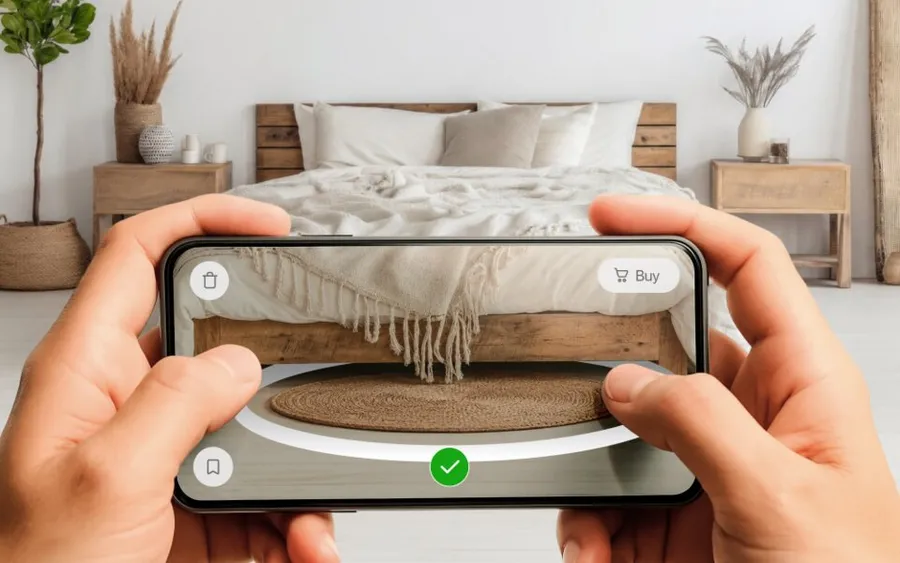
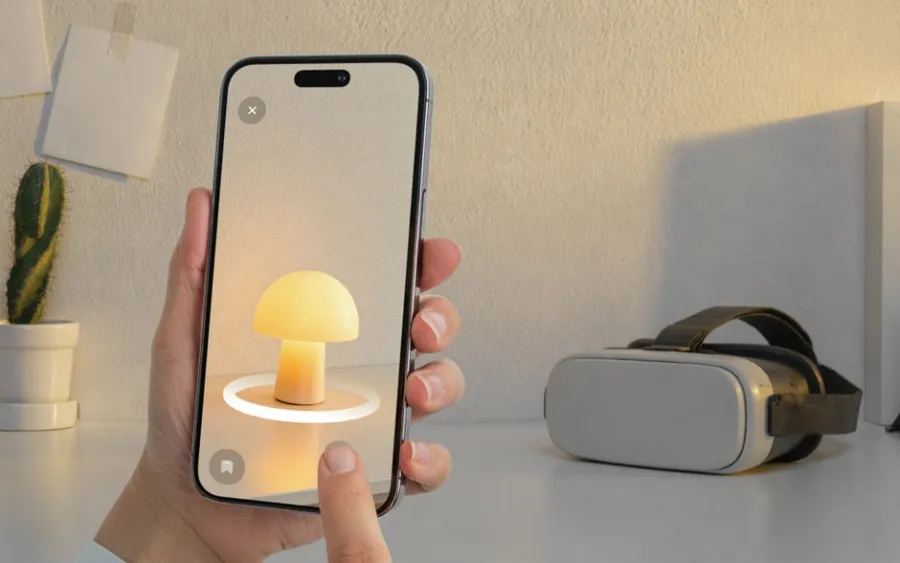
At its core, augmented reality product design blends digital models with the physical environment. Using AR-enabled devices such as smartphones, tablets, or headsets, designers can place a virtual product into a real setting and interact with it in real time.
Unlike virtual reality, which removes users from the physical world, AR enhances it. This makes AR product design especially powerful for practical decision-making. Designers can see how a product fits on a desk, how large it feels in a user’s hands, or how it visually interacts with surrounding objects.
This realism transforms abstract ideas into experiences that feel tangible and immediate.
Why AR Product Design Feels More Human
One of the most overlooked benefits of product design AR is how naturally people understand it. Humans are spatial thinkers—we understand size, distance, and proportion best when we see them in real space. Flat drawings and static renders often fail to communicate these qualities clearly.
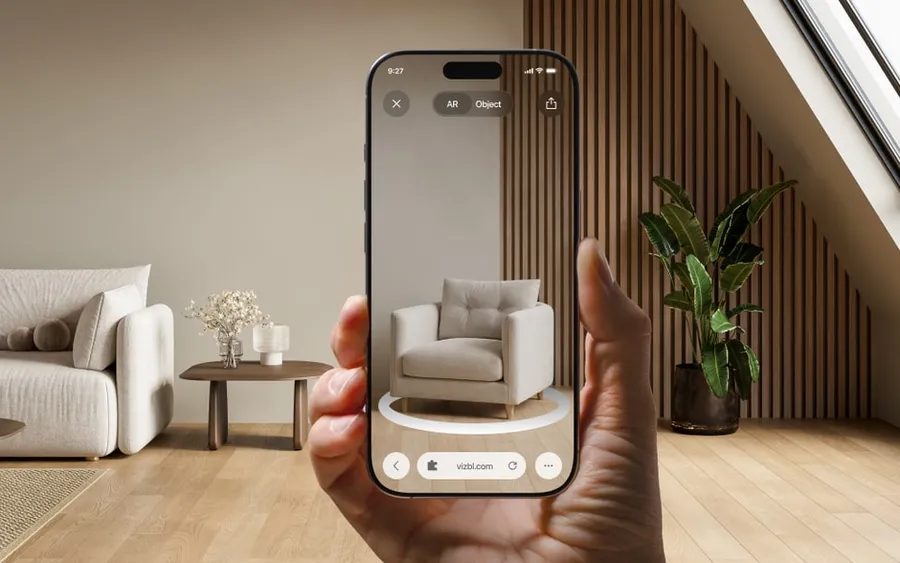
With augmented reality in product design, feedback becomes more intuitive. A designer doesn’t need to explain scale; stakeholders can see it. A client doesn’t need to imagine how a product looks in their environment; they can view it instantly. This shared understanding reduces miscommunication and builds confidence across teams.
Read Also: How Augmented Reality Is Quietly Reshaping Retail: Real Examples You Need to See
From Concept to Clarity: How Product Design AR Improves Workflow
Traditional product design workflows often rely on physical prototypes, which are expensive and time-consuming. Product design AR changes this dynamic by allowing teams to:
- Validate ideas early without manufacturing costs
- Explore multiple design directions quickly
- Identify usability and ergonomic issues before production
- Present concepts clearly to non-technical stakeholders
Because AR product design enables real-time adjustments, designers can test materials, colors, and dimensions on the spot. This flexibility encourages experimentation and creativity without the fear of wasted resources.
Collaboration Made Simpler with Augmented Reality in Product Design
Design is rarely a solo activity. Engineers, marketers, product managers, and clients all influence the final outcome. Augmented reality product design creates a shared visual language that brings these perspectives together.
When everyone can see and interact with the same AR model, discussions become more productive. Feedback is more specific, decisions are faster, and revisions are based on shared experiences rather than assumptions. This collaborative clarity is one of the reasons product design AR is gaining momentum across industries.
Real-World Impact of AR Product Design
The impact of augmented reality in product design is already visible across many sectors:
- In consumer products, designers use AR to test form and usability before tooling begins.
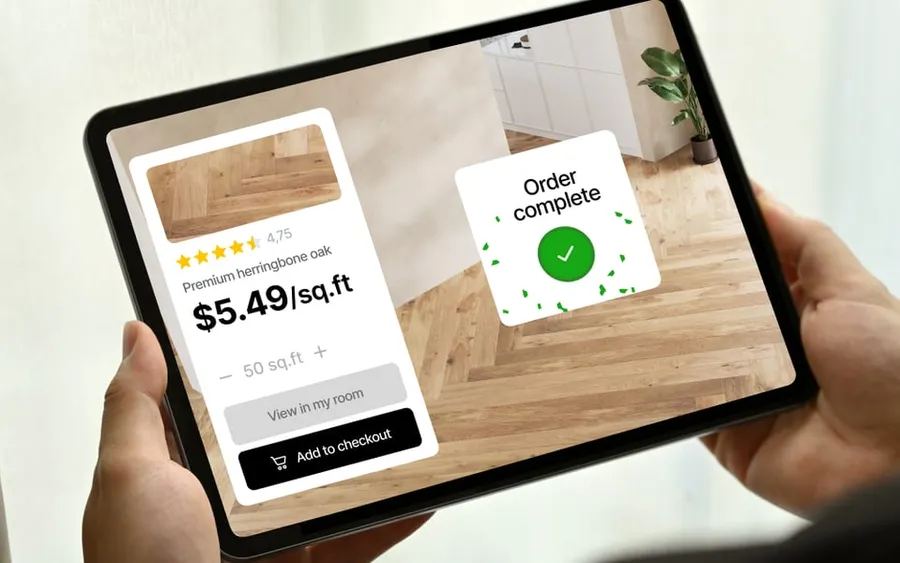
- In furniture and interior design, product design AR allows products to be previewed in real living spaces.
- In industrial and medical fields, AR product design helps teams visualize complex components and ensure functional accuracy.
In each case, AR reduces uncertainty and increases confidence—two critical factors in successful product development.
The Future of Augmented Reality Product Design
As AR technology continues to evolve, augmented reality product design will become more intelligent, more accessible, and more integrated into everyday workflows. Combined with AI, real-time data, and digital twins, AR product design will support smarter decisions and more personalized products.
Eventually, product design AR may also extend beyond designers, allowing customers to participate directly—customizing products, exploring variations, and influencing design outcomes before manufacturing even begins.
Final Thoughts
Augmented reality in product design is not just another digital tool—it’s a new way of thinking about how products are created. By making ideas visible, interactive, and understandable, augmented reality product design empowers designers to work faster, collaborate better, and design with greater confidence.
As AR product design continues to mature, product design AR will play a central role in shaping products that are not only functional and beautiful, but also deeply aligned with real human needs.