· AR · 4 min read
How augmented reality is quietly reshaping retail: real examples you need to see
Augmented reality is rapidly transforming how people shop, and today’s augmented reality in retail examples—from virtual try-on mirrors and AR shoe fitting to 3D furniture visualization, interactive packaging, in-store navigation, and even AR-enhanced resumes—show just how seamlessly digital tools can enhance real-world buying experiences. These ar retail examples improve confidence, reduce returns, and make shopping more personalized and engaging, proving that AR isn’t just a futuristic concept but a practical solution retailers are using right now to stand out and better serve their customers.

A few years ago, augmented reality felt like something reserved for tech conferences and sci-fi movies. Today, it’s becoming one of the most practical tools in modern commerce. In fact, some of the most interesting augmented reality in retail examples are happening in everyday stores—both online and offline—without most shoppers even realizing how advanced the technology has become.
Below, we explore a range of ar in retail examples, from simple virtual try-ons to fully interactive 3D product experiences. These aren’t theoretical concepts—they’re real, functioning tools that retailers are using right now to improve customer engagement and build trust.
Virtual Try-On Mirrors That Remove the Awkwardness
One of the most popular augmented reality retail examples is the smart mirror. Instead of walking into a fitting room with piles of clothing, shoppers can stand in front of a mirror that overlays digital outfits in real time. You can instantly switch colors, check other sizes, or experiment with new styles you’re unsure about. It’s fast, fun, and surprisingly accurate.
AR Shoe Fitting: No More Guesswork
Many shoppers love buying shoes online—until the pair arrives and doesn’t fit. AR fitting tools solve that problem. You point your camera at your feet and see a true-to-scale 3D version of the shoe appear. Brands using this approach have seen fewer returns and happier customers, which makes it one of the most practical ar retail examples today.
3D Furniture Visualization That Makes Homes Part of the Store
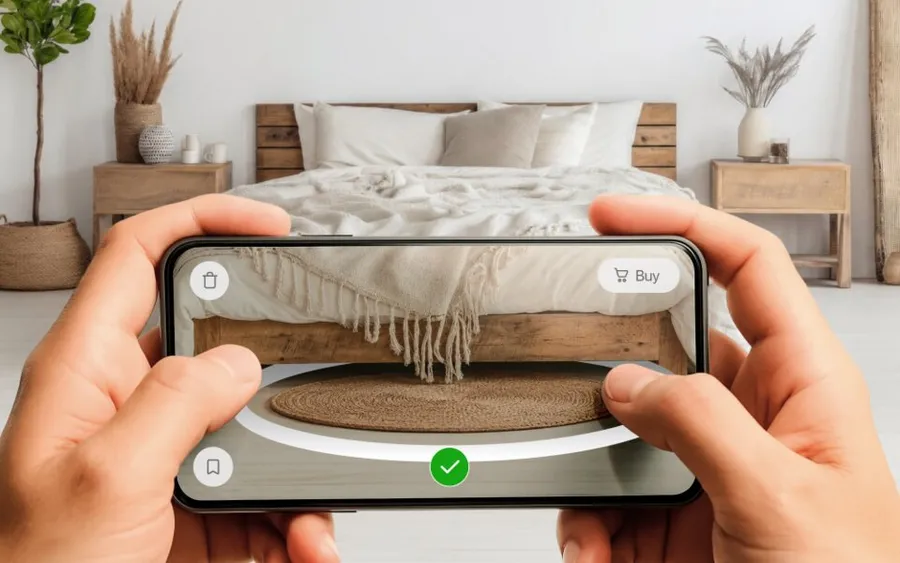
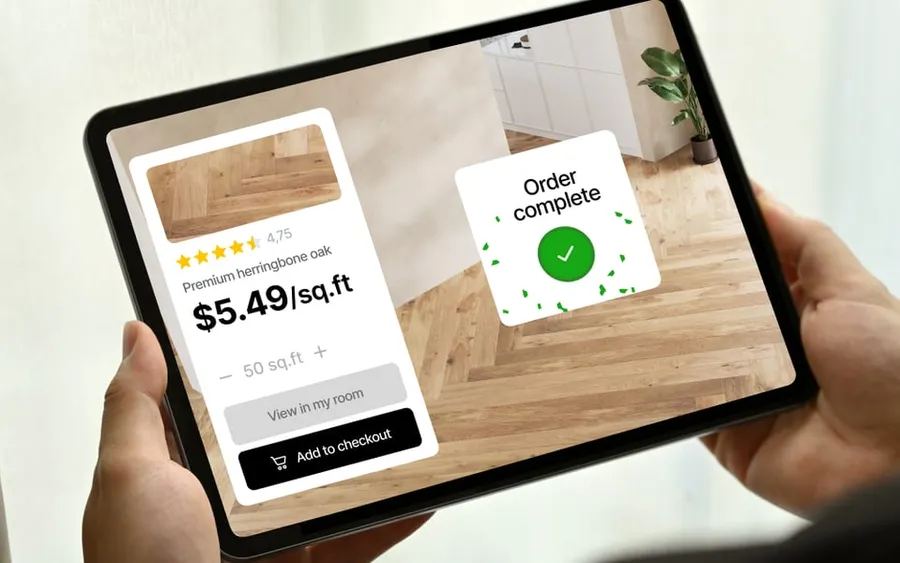
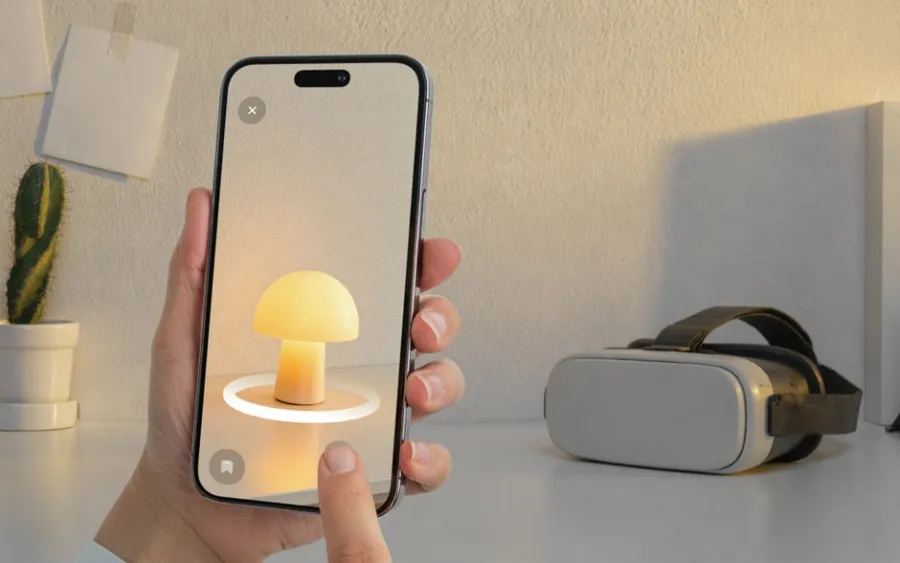
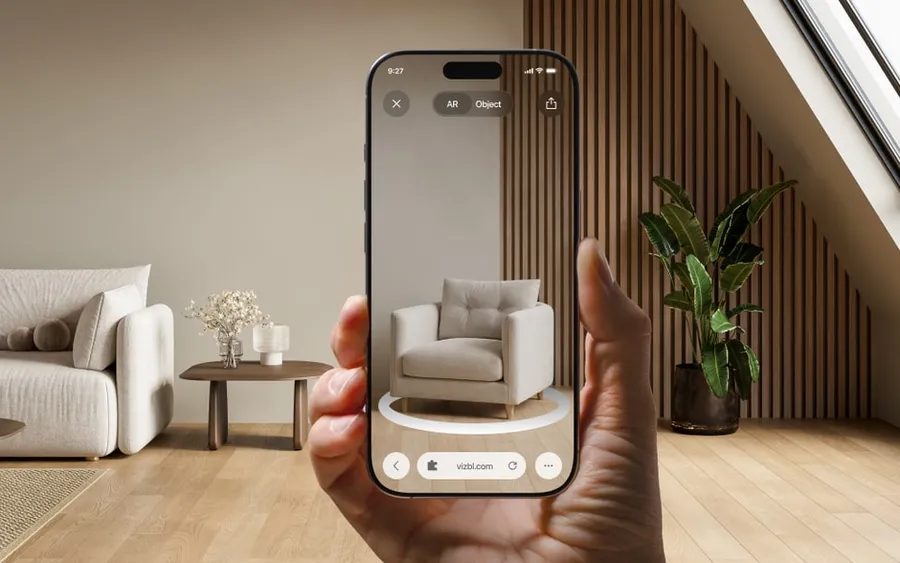
A standout among examples of innovative retail augmented reality 3D is furniture visualization. Shoppers can place a sofa, lamp, or table inside their living room using just their phone. They can rotate it, change fabrics, and see how it fits with the rest of the space. It’s like having a personal interior designer powered by AR.
Beauty AR Try-Ons That Feel Surprisingly Personal
Cosmetic brands were some of the earliest adopters of AR, and they continue to innovate. With a quick face scan, customers can test dozens of makeup shades without touching a product. These augmented reality examples in retail are especially valuable for online shoppers who previously had no way to know if a lipstick or foundation shade would work.
AR Navigation in Grocery Stores
Imagine walking into a supermarket and having your phone guide you aisle by aisle to find everything on your shopping list. Some retailers already offer this. Special AR overlays point to products, show deals, and highlight dietary options. It’s a great example of how technology can simplify a routine task while still feeling intuitive.
Product Packaging That Comes Alive
One of the more creative examples of augmented reality in retail involves packaging that unlocks interactive content. Customers scan a label and see animated instructions, recipes, how-to videos, or behind-the-scenes brand stories. Instead of throwing the box away, customers turn it into a mini digital experience.
Read Also: Why Augmented Reality UX is So Much More Than a Buzzword
Virtual Showrooms for At-Home Exploring
AR-powered showrooms let shoppers experience products as if they are physically in a store—even when browsing from their couch. Whether it’s a 3D car interior or a close-up view of a new smartwatch, these retail AR examples combine the convenience of online shopping with the detail of an in-person experience.
In-Store AR Games That Drive Foot Traffic
Retailers have discovered that gamification can be incredibly effective. Some use AR treasure hunts or collectible 3D characters that appear throughout the store. It turns shopping into an experience rather than a chore. Kids love it, adults enjoy the novelty, and brands get more engagement.
AR Resumes: A New Twist on Retail Hiring
One of the most unexpected augmented reality retail examples of resumes comes from job seekers adding scannable AR elements to their applications. Managers can scan a symbol and instantly see a 3D portfolio, a quick intro video, or a visual summary of skills. It’s creative, memorable, and shows an understanding of technology—something many retailers value.
AR Window Displays That Catch Your Eye From Across the Street
Traditional window displays are beautiful, but AR adds a layer of magic. With a phone, passersby can see animations, 3D characters, or even virtual sales assistants. Brands use these displays to stand out—especially during holidays or major product launches.
Why Retailers Are Embracing AR So Quickly
These augmented reality retail examples all point to the same trend: customers want clarity, convenience, and richer interaction. AR helps shoppers feel confident in their choices, and confident customers buy more and return less. For retailers, it’s a win on every front.
As AR tools become easier to implement, we can expect even more creative examples of augmented reality in retail—not just flashy experiences, but genuinely useful ones that improve how people shop.