· AR · 4 min read
How augmented reality is quietly changing the hotel experience
Augmented reality is quietly reshaping the hotel experience by reducing uncertainty, improving navigation, and enhancing guest comfort without feeling intrusive or gimmicky. Rather than replacing reality, AR adds helpful digital layers—letting guests preview rooms accurately before booking, understand in-room features instantly, navigate large spaces easily, and engage with hotel stories or activities during their stay. While virtual reality supports inspiration before travel, augmented reality proves most valuable in real time, guiding and informing guests as they move through unfamiliar spaces. Despite challenges like cost, adoption, and privacy concerns, AR offers clear benefits such as stronger guest confidence, smoother operations, and richer storytelling, and as the technology matures, it is expected to fade into the background, simply making hotel stays feel easier, clearer, and more intuitive.

Not long ago, hotel innovation meant faster Wi-Fi or a nicer lobby. Today, something far more immersive is taking shape. Augmented reality in hotels is no longer a futuristic concept—it’s becoming part of how guests explore, choose, and experience where they stay. From the moment someone searches for a room to the second they check out, the augmented reality hotel industry is redefining hospitality in subtle but meaningful ways.
What Makes Augmented Reality for Hotels Different?
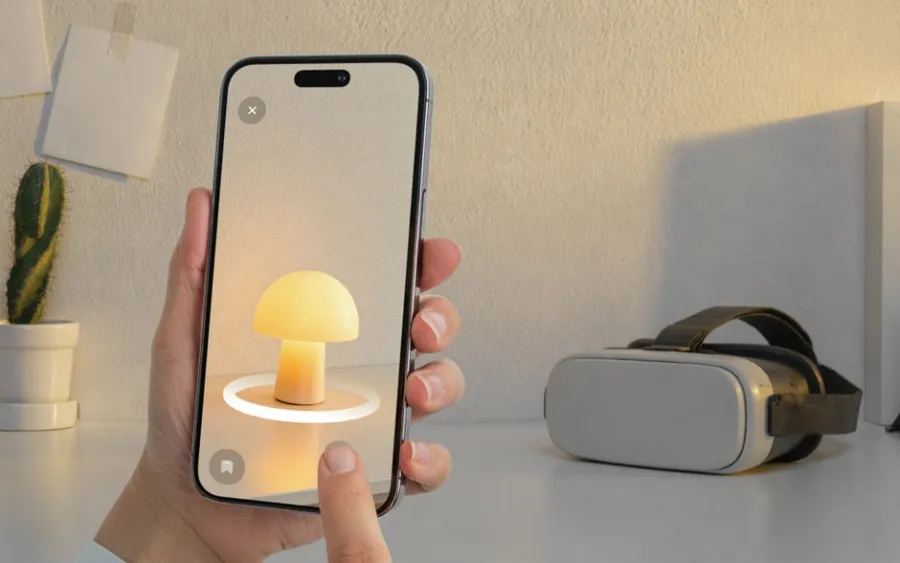
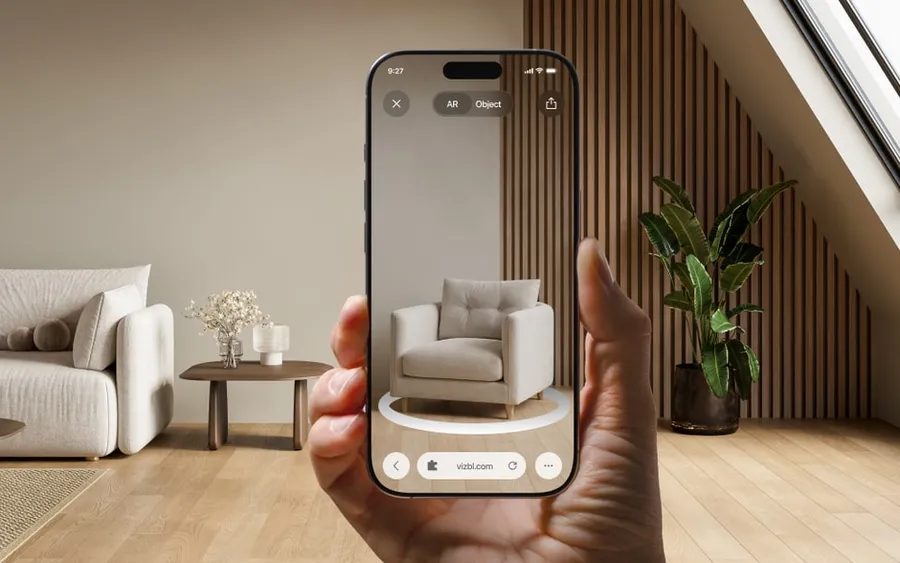
Unlike flashy technology that overwhelms guests, augmented reality for hotels works best when it feels almost invisible. It enhances what already exists. A guest points their phone at a hotel lobby and sees directions to the spa. Another scans their room and instantly understands how the lighting or temperature controls work. This is the essence of augmented reality in the hotel industry—adding helpful digital layers to the real world without replacing it.
From Booking Anxiety to Booking Confidence
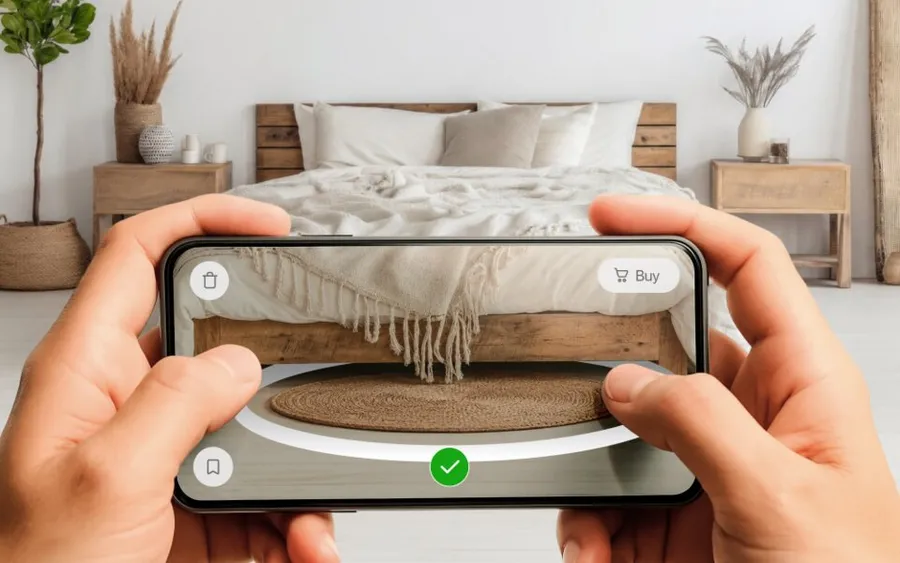
One of the biggest frustrations travelers face is uncertainty. Photos can be misleading, and descriptions often feel vague. This is where augmented reality hotel room experiences come in. Instead of guessing, guests can explore rooms virtually within their own environment, checking layouts, views, and amenities in real scale.
As a result, hotels using augmented reality are seeing more confident bookings and fewer disappointed guests. AR bridges the gap between expectation and reality, which has always been a challenge in hospitality.
Augmented Reality in Hotels: Practical, Not Gimmicky
Some people assume AR is just a novelty, but many augmented reality in hotels examples prove otherwise. Guests can point their phones at hotel artwork to learn the story behind it. Conference attendees can use AR to navigate large event spaces without getting lost. Families can discover kid-friendly activities through interactive scavenger hunts.
One well-known case is the Holiday Inn augmented reality hotel campaign, which used AR to bring local attractions and events to life. Rather than selling a room, it sold an experience—showing guests what their stay could feel like, not just where they would sleep.
The Role of Augmented Reality and Virtual Reality in Hotels
It’s important to distinguish between augmented reality and virtual reality in hotels. Virtual reality shines during inspiration and marketing, letting potential guests escape into a destination from home. Augmented reality, on the other hand, thrives during the stay itself. It supports, guides, and informs in real time.
Together, these technologies create a more fluid guest journey—from dreaming about a trip to navigating the hotel hallway at midnight.
Hotel Suppliers and Augmented Reality: Behind the Scenes
The rise of AR would not be possible without hotel suppliers and augmented reality solution providers. These companies build platforms that help hotels manage digital content, update room information, train staff, and even visualize maintenance issues. For hotel operators, AR is becoming as much an internal tool as a guest-facing one.
Read Also: Augmented Reality QR Codes: Turning Simple Scans into Meaningful Experiences
Challenges Within the Augmented Reality Hotel Industry
Of course, the journey isn’t without obstacles. Augmented reality hotel industry problems include high development costs, technical limitations, and uneven guest adoption. Not every traveler wants to download another app, and not every hotel has the budget to build custom AR experiences.
There are also concerns about data privacy and accessibility. If AR is to succeed long-term, it must remain inclusive, intuitive, and respectful of guest boundaries.
Pros and Cons of Augmented Reality in the Hotel Industry
When weighing the pros and cons of augmented reality in hotel industry, the picture is balanced but promising.
Pros include deeper guest engagement, clearer communication, reduced reliance on printed materials, and stronger brand storytelling. AR can also lower staff workload by answering common questions digitally.
Cons include upfront investment, ongoing content management, and the risk of overcomplication if the technology is poorly designed.
Where Augmented Reality Hotels Are Headed
As smartphones become more powerful and AR tools more user-friendly, augmented reality hotels will likely feel less like “tech-forward properties” and more like well-designed spaces that simply make sense. Guests won’t think about the technology—they’ll just notice how easy everything feels.
In the end, augmented reality in hotel industry adoption isn’t about impressing guests with technology. It’s about removing friction, telling better stories, and helping people feel more comfortable in unfamiliar places. When done right, augmented reality doesn’t steal the spotlight—it quietly makes the stay better.