· AR · 4 min read
Why augmented reality UX is so much more than a buzzword
Augmented reality UX is transforming how people interact with digital information by moving experiences off the screen and into real space, challenging designers to think in 3D, anticipate real-world environments, and create intuitive, human-centered interactions. As ux augmented reality continues to evolve, augmented reality UX design focuses on clarity, comfort, and spatial awareness, while ux designers augmented reality workflows now include immersive prototyping, gesture exploration, and environmental testing. Blending with VR, augmented reality and virtual reality UX design is shaping a future where digital layers feel natural, helpful, and almost invisible—empowering users to learn, explore, and make decisions effortlessly through thoughtful, human-first design.
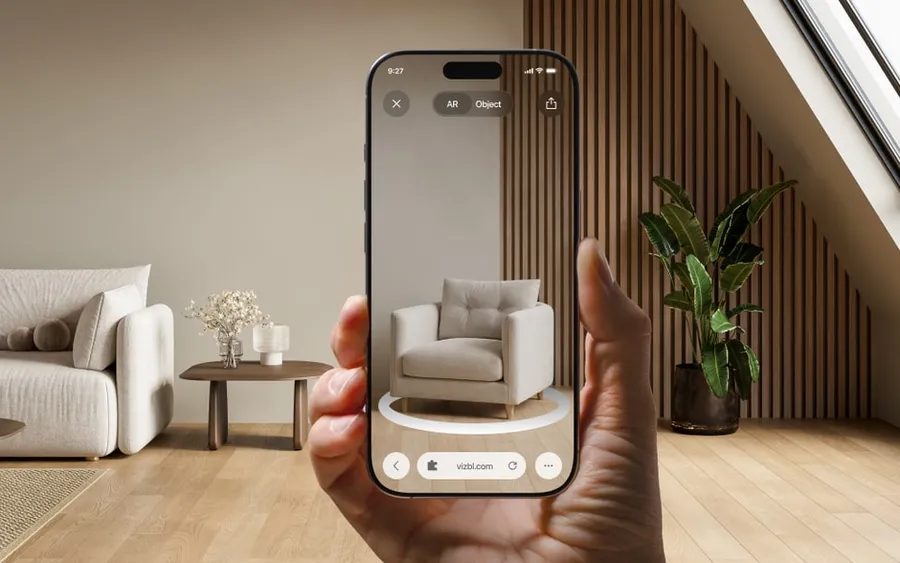
If you’re used to designing mobile apps or websites, stepping into ux augmented reality can feel like moving from 2D into a living, breathing world. Suddenly, information doesn’t sit inside a frame—it sits in your hands, on your desk, in your environment. AR can guide you, teach you, inspire you, or even transform how you shop, learn, and work.
But here’s the catch:
If the AR experience isn’t designed well, it becomes confusing fast.
That’s why augmented reality UX design matters so deeply.
In AR, the user experience is the product.
Good AR UX can help users:
- Understand complex information in seconds
- Engage emotionally with a product or concept
- Explore ideas interactively at their own pace
- Make decisions with more confidence
- Feel more connected to their surroundings rather than distracted by them
This is what makes ux design augmented reality such a powerful skill. It’s not about flashy visuals—it’s about creating experiences that help people feel grounded, capable, and curious.
Read Also: The Evolving World of Augmented Reality UI: Design Principles, Standards, and Real-World Inspiration
The Unique Challenge of UX Design in Augmented Reality
Let’s be real: designing AR isn’t easy.
Unlike traditional UI, AR doesn’t give you a clean slate. Every user is standing in a different space, with different lighting, distractions, and contexts. As a designer, you can’t control the environment—so you have to design with it.
Here are a few things augmented reality UX designers think about every day:
1. Where should a digital object live?
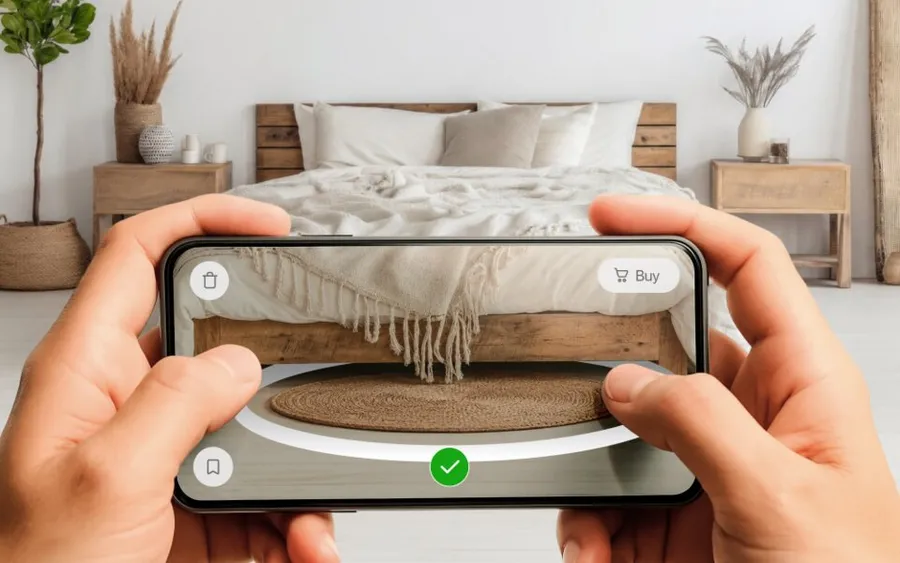
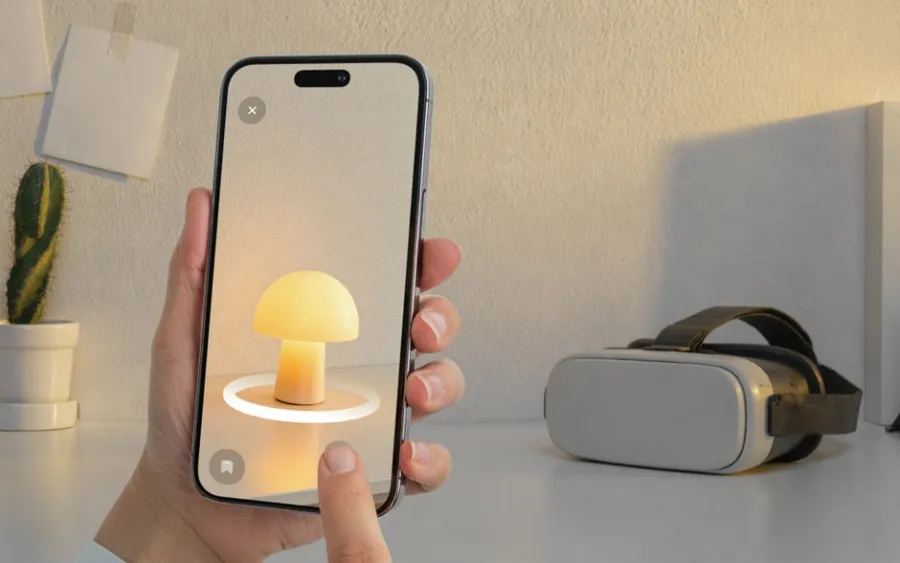
Should it sit on the floor? Attach to a wall? Float in mid-air?
AR forces us to consider how people naturally move, look, reach, and interact.
2. How do we guide the user without overwhelming them?
Hints, arrows, shadows, animations, and micro-interactions become essential.
3. What is comfortable in 3D space?
Text needs to be readable without strain.
Objects must appear at distances that feel realistic.
Gestures should be simple enough for anyone to learn in seconds.
4. How do we handle errors gracefully?
AR isn’t perfect—tracking slips, lighting changes, and clutter happen.
Good UX turns these issues into small bumps instead of broken experiences.
These challenges explain why becoming a UX designer augmented reality specialist requires empathy, experimentation, and a willingness to break old design habits.
How UX Designers Use Augmented Reality in Their Work
What’s fascinating is how quickly AR is becoming part of the everyday toolkit for designers, not just a futuristic add-on. Today, how UX designers use augmented reality goes far beyond simple demos.
Designers now use AR to:
- Prototype real-world interactions instantly
- Visualize product placement in actual environments
- Test spatial interfaces with real users
- Explore gestures, voice commands, and mixed input
- Create immersive tutorials and onboarding flows
In many ways, AR helps designers see their own work more clearly. There’s nothing like watching a digital interface “exist” in your living room to show you what works—and what definitely doesn’t.
Blurring Worlds: Augmented Reality and Virtual Reality UX Design
A lot of people lump AR and VR together, but from a UX standpoint, they’re cousins—not twins.
Augmented Reality (AR)
Enhances the world you’re already in.
Requires context awareness and subtlety.
Virtual Reality (VR)
Replaces your world entirely.
Demands total control of the environment.
Yet both fall under the growing umbrella of augmented reality and virtual reality UX design, and both challenge designers to think in new dimensions, literally and metaphorically.
The future will almost certainly blend them—mixed reality headsets, spatial computing devices, and real-time environmental mapping will make the line between AR and VR even blurrier.
The Future of UX in Augmented Reality: Human, Helpful, Invisible
If you ask us what the future of ux in augmented reality looks like, the answer is simple:
It becomes invisible.
AR will stop feeling like a separate experience and start feeling like a natural extension of how we interact with information. We’ll use AR to understand products before buying them, navigate cities, learn new skills, collaborate with colleagues, and create richer personal memories.
And behind all of that will be thoughtful design.
Designers who understand how to make technology:
- kinder
- easier
- more intuitive
- more human
That’s the heart of great augmented reality UX.