· AR · 4 min read
How to create augmented reality content that people actually want to use
Augmented reality content creation is growing rapidly as improved devices and tools make AR more accessible and valuable beyond flashy visuals. Effective AR enhances real-world experiences by solving real problems—such as improving learning, shopping, or information interaction—rather than focusing solely on technology. Successful creation involves choosing the right platform, designing content that fits naturally into physical environments, and continuously testing and refining experiences. Artificial intelligence is playing a major role by simplifying 3D asset creation, improving environmental understanding, enabling personalization, and lowering technical barriers. Ultimately, the future of augmented reality content lies in purposeful, user-centered storytelling that blends creativity with technology to deliver useful, engaging, and human experiences.
Augmented reality is no longer a futuristic concept reserved for big tech companies and sci-fi movies. Today, brands, educators, creators, and even small businesses are actively exploring augmented reality content creation to connect with audiences in more immersive and meaningful ways. But while AR looks impressive on the surface, many people still wonder how to create augmented reality content that feels useful, engaging, and human.
This article walks you through the process in a practical, approachable way—without overcomplicating things.
Understanding What Augmented Reality Content Really Is
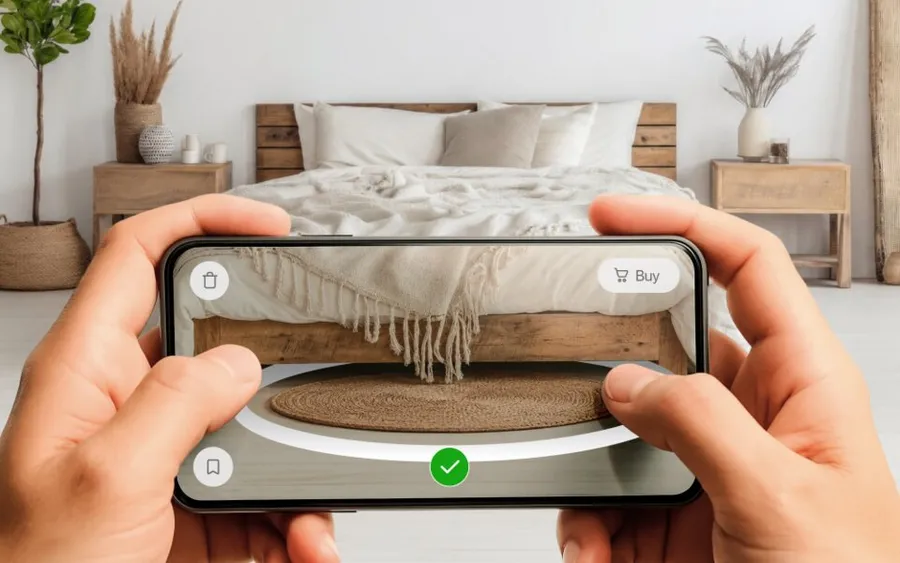
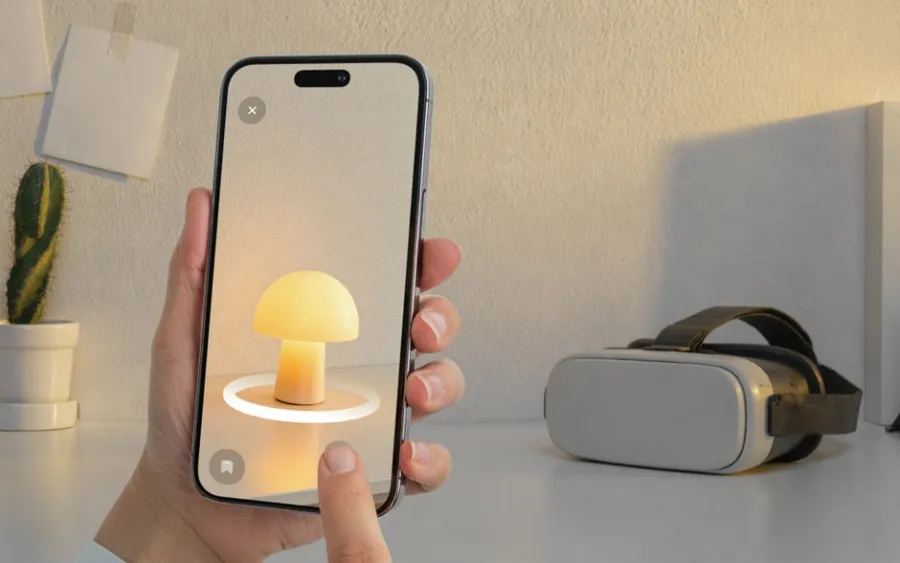
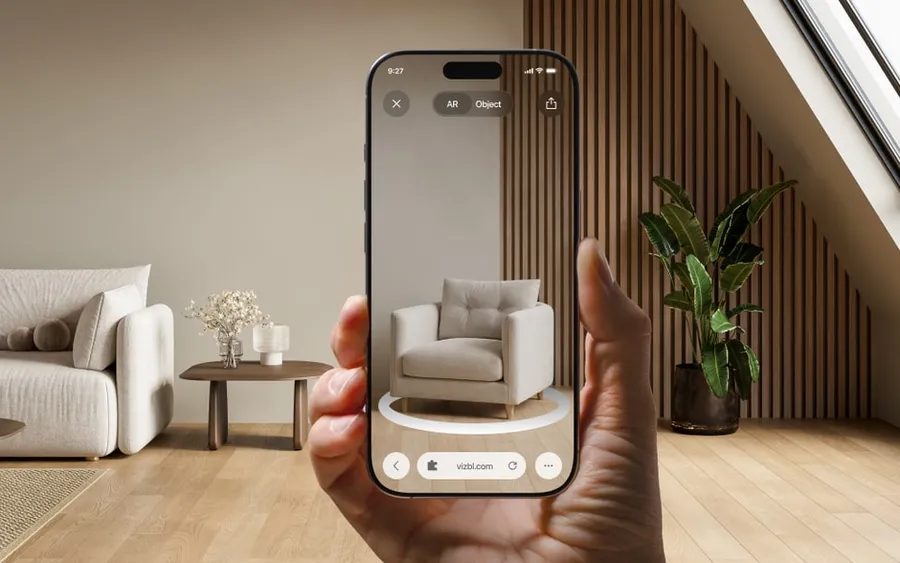
Before diving into tools and techniques, it’s important to understand what you’re creating. Augmented reality content blends digital elements—such as 3D objects, animations, sound, or text—into the real world through a camera-enabled device. Instead of pulling users into a completely virtual environment, AR enhances what’s already around them.
Successful creating augmented reality content isn’t about flashy visuals alone. It’s about adding value to a real-world moment—helping someone learn faster, shop smarter, or interact more naturally with information.
Why Augmented Reality Content Creation Is Growing So Fast
The rise of smartphones, improved processing power, and better development tools have made AR more accessible than ever. Businesses are investing in augmented reality content creation because it:
- Encourages longer user engagement
- Makes complex ideas easier to understand
- Improves product confidence and decision-making
- Feels more interactive than traditional media
People don’t just consume AR—they experience it. That’s what makes it powerful.
How to Create Augmented Reality Content: A Practical Approach
Start With a Real Problem
The biggest mistake beginners make is focusing on technology instead of purpose. Ask yourself: What problem does this AR experience solve? Whether you’re creating a virtual product preview or an educational overlay, clarity at this stage sets the foundation for everything else.
Choose the Right Platform
There’s no single “best” platform to create augmented reality content. The right choice depends on your goals:
- Mobile apps for deeper interaction
- WebAR for easy access without downloads
- Social media AR for marketing and brand awareness
Your platform will influence both technical complexity and user reach.
Design With Reality in Mind
AR content lives in the real world, not on a flat screen. That means scale, lighting, movement, and placement matter. Objects should feel natural within the user’s environment. Good creating augmented reality content respects physical space rather than overpowering it.
Build, Test, Improve—Repeat
Augmented reality content creation is rarely perfect on the first try. Test in different environments, lighting conditions, and devices. Watch how real users interact, where they hesitate, and what they ignore. Iteration is part of the process.
The Role of AI in Augmented Reality Content Creation
Artificial intelligence is rapidly changing how to create augmented reality content, making the process faster, smarter, and more accessible—even for non-developers.
AI-Powered 3D Asset Creation
AI tools can now generate or enhance 3D models from images or text descriptions. This reduces the time and cost traditionally required for modeling and texturing, making creating augmented reality content more efficient.
Computer Vision and Object Recognition
AI helps AR systems better understand the real world. It improves surface detection, object tracking, and environmental awareness, allowing digital elements to interact more naturally with physical spaces.
Personalized AR Experiences
With AI, augmented reality content creation can adapt to individual users. Experiences can change based on user behavior, preferences, or location—making AR feel more personal and less generic.
AI-Assisted Development Tools
Some platforms now use AI to automate parts of the development process, such as scene setup, animation logic, and performance optimization. This lowers the technical barrier for anyone looking to create augmented reality content.
AI doesn’t replace creativity—it enhances it.
Read Also: Augmented Reality vs 3D Modeling: What’s the Real Difference?
Common Challenges (And How to Avoid Them)
Even experienced creators face challenges with augmented reality content creation:
- Overloading users with too many effects
- Ignoring performance, leading to lag or crashes
- Designing for novelty instead of usefulness
The best AR experiences are simple, purposeful, and intuitive.
The Future of Creating Augmented Reality Content
As AR hardware improves and AI becomes more integrated, the line between digital and physical experiences will continue to blur. In the near future, augmented reality content creation will feel less like programming and more like storytelling—where creators focus on ideas while technology handles complexity.
Learning how to create augmented reality content now isn’t just a technical skill—it’s a creative advantage.
Final Thoughts
Creating augmented reality content is about more than following trends. It’s about rethinking how people interact with information, products, and environments. With the right mindset, tools, and a touch of AI, anyone can begin creating augmented reality content that feels natural, useful, and genuinely engaging.