· AR · 4 min read
iPhone augmented reality furniture is changing how we buy for our homes
iPhone augmented reality (AR) is revolutionizing furniture shopping by providing a more confident, personal, and intuitive experience. Rather than relying on imagination, shoppers can now visualize furniture in their own space, seeing it at true-to-life scale with accurate lighting and perspective. This technology offers practical benefits, such as answering questions about size and fit instantly, reducing guesswork and returns. The emotional connection of visualizing furniture in one’s actual home builds trust and empowers users to make faster, more confident decisions. As AR evolves, it promises even more personalized features, enhancing the future of shopping by making it more immersive and less pressured.

Buying furniture should be exciting. Instead, it often feels stressful. You scroll endlessly, measure the same corner five times, argue with yourself about color tones, and still wonder if the couch will feel right once it arrives. That tension is exactly why iPhone augmented reality furniture has become such a big deal—and why it’s quickly becoming the new normal.
With augmented reality on iPhone, furniture shopping finally feels human again. Visual. Confident. A little fun.
From Guesswork to “Oh, That’s Perfect”
Before augmented reality furniture iPhone experiences, most of us relied on imagination. A product photo, maybe a lifestyle image, and a few dimensions listed in small text. You had to mentally project a sofa into your living room and hope reality matched your expectations.
AR flips that process completely.
Now, you don’t imagine.
You see.
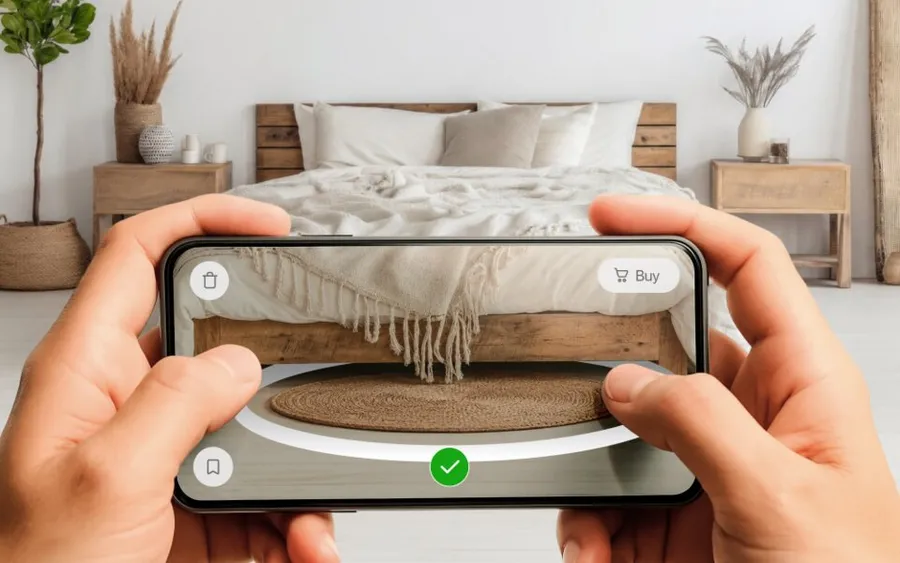
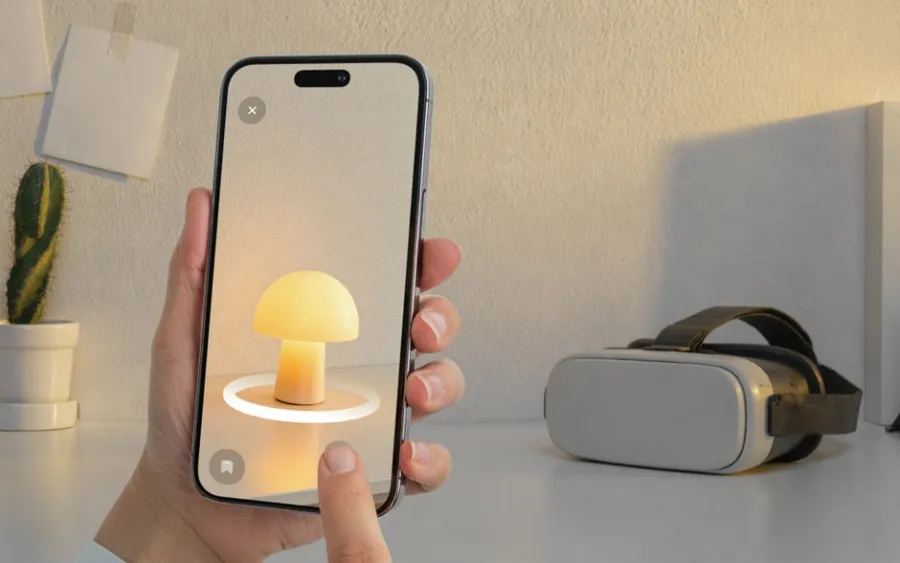
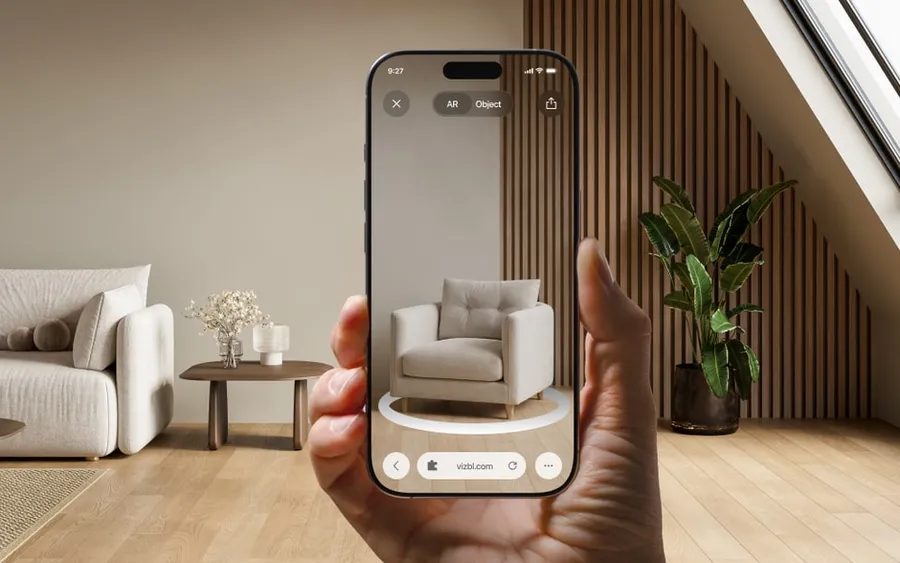
You point your iPhone at the room, tap once, and suddenly the furniture exists in your space. Same lighting. Same floors. Same awkward corner you weren’t sure how to fill. In seconds, your brain stops guessing and starts reacting honestly.
“That’s too big.”
“That actually works.”
“Oh wow, I didn’t expect that color to look so good here.”
Those reactions are powerful—and they’re why iPhone augmented reality furniture feels so natural once you try it.
Why iPhone Makes Augmented Reality Furniture Feel Effortless
There’s a reason AR furniture has taken off specifically on the iPhone. Modern iPhones are packed with sensors, cameras, and processing power designed for spatial understanding. Combined with software built by Apple, they can map rooms, detect surfaces, and anchor digital objects with surprising accuracy.
What that means for users:
- Furniture appears at true-to-life scale
- Objects stay in place as you walk around
- Perspective shifts naturally, just like real furniture
- No extra hardware, no learning curve
You don’t feel like you’re “using AR.”
You feel like you’re rearranging your home.
Read Also: AR Tattoos: The Moment Tattoos Stopped Being Static
Augmented Reality Furniture on iPhone Feels Personal
One of the biggest differences between AR and traditional online shopping is emotional. Augmented reality furniture iPhone experiences feel personal because they happen in your space.
Not a showroom.
Not a styled studio apartment.
Your slightly messy living room with uneven lighting and real-life constraints.
That context matters. It’s where decisions become real.
When someone sees furniture in their own home:
- They trust their decision more
- They spend more time exploring options
- They feel ownership before purchasing
This emotional connection is something static images simply can’t replicate.
It’s Not Just About Looks—It’s About Fit
Style is important, but size is usually the deal-breaker. iPhone augmented reality furniture excels here because it answers practical questions instantly:
Will the drawers open without hitting the wall?
Does the table block the walkway?
Is the chair too bulky for the room?
Instead of pulling out a measuring tape and second-guessing, AR gives immediate clarity. Users can walk around the furniture, view it from different angles, and understand how it interacts with the space.
That confidence changes everything.
Why Brands Are Investing Heavily in iPhone AR Furniture
From a brand perspective, augmented reality furniture iPhone isn’t just a cool feature—it’s a business advantage.
- Fewer returns due to size or style mismatch
- Longer engagement time in digital experiences
- Higher conversion rates
- Stronger brand trust
Customers who use AR are more decisive. They hesitate less. They feel informed rather than sold to. And that creates a better relationship between brand and buyer.
The Subtle Magic of Trying Before Buying
What makes iPhone augmented reality furniture special isn’t just the technology—it’s the psychology. AR reduces risk. It gives people permission to explore without commitment.
You can test bold choices.
You can try furniture you’d normally dismiss.
You can experiment without consequences.
That freedom turns shopping into discovery instead of pressure.
Where Augmented Reality Furniture on iPhone Is Headed Next
This is still the early phase. As AR continues to evolve, augmented reality furniture iPhone experiences will become even more intuitive:
- Automatic room scanning and layout suggestions
- Smart recommendations based on room dimensions
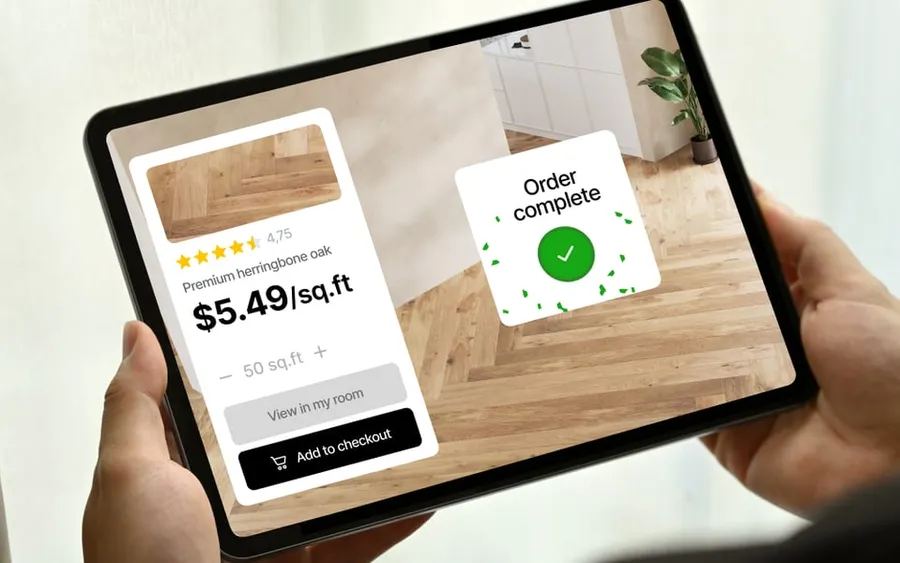
- Seamless transitions from AR preview to checkout
- Shared AR spaces for collaboration and feedback
The line between inspiration, visualization, and purchase is disappearing—and iPhone is at the center of that shift.
Final Thoughts
iPhone augmented reality furniture isn’t about replacing physical stores or designers. It’s about empowering people to make better decisions, faster, and with more confidence.
It removes friction.
It builds trust.
And most importantly, it respects the user’s space and time.
As more people experience augmented reality furniture iPhone for themselves, one thing becomes clear: once you see furniture in your home before buying it, there’s no going back.