· AR · 4 min read
AR tattoos: the moment tattoos stopped being static
The article explains how AR tattoos are transforming traditional body art from static ink into interactive experiences. While they look like normal tattoos, augmented reality tattoos reveal animations, sounds, or hidden messages when viewed through a phone, creating layered, deeply personal storytelling. Unlike filters, the physical tattoo remains permanent, with the digital layer adding meaning rather than replacing it. Designing AR tattoos requires thinking in both visual and motion elements, and they typically cost more due to the added technology and content creation. Ultimately, AR tattoos reflect modern identity—blending physical and digital selves—and represent not just a trend, but an evolution of how tattoos express memory, emotion, and individuality.
Tattoos have always been personal. They mark moments, beliefs, people, phases of life. For centuries, once the needle left the skin, the story was finished—frozen in ink. But AR tattoos are quietly breaking that rule.
With augmented reality tattoos, a tattoo no longer has to say everything at once. It can whisper, move, evolve, and surprise. It can reveal layers that only appear when you choose to look deeper.
This isn’t a gimmick. It’s a shift in how we think about body art.
From Ink to Experience
An AR tattoo looks like a normal tattoo. No screens. No wires. No obvious tech. That’s the magic.
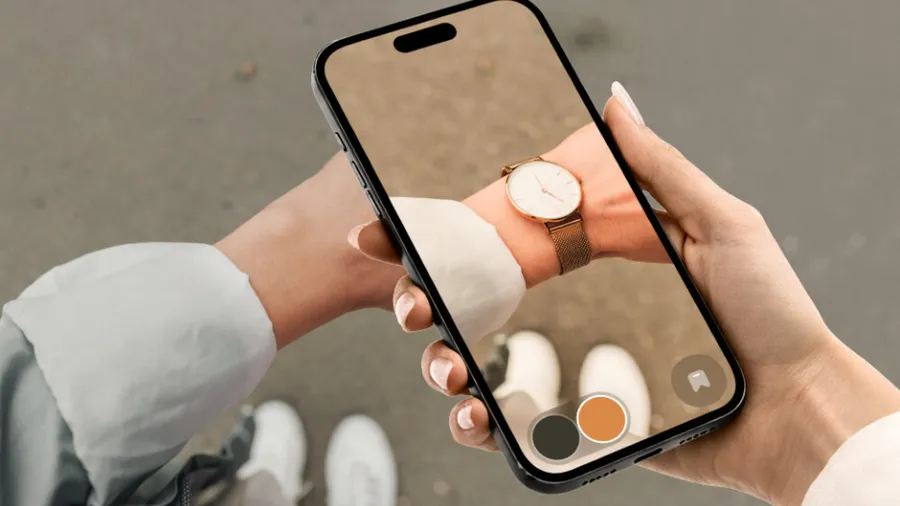
But when you point your phone at it, suddenly the tattoo does something. A snake slithers. A heartbeat pulses. A loved one’s voice plays. A hidden message fades in. The tattoo becomes an experience, not just an image.
This is the essence of tattoo augmented reality—a bridge between the physical and digital self.
And that bridge matters more than ever in a world where identity already lives across both spaces.
Why Augmented Reality Tattoos Feel So Personal
What makes augmented reality tattoo experiences different from filters or effects is permanence. The tattoo is real. It’s part of your body. The AR layer doesn’t replace it—it adds meaning.
People are choosing augmented reality tattoos for reasons that go far beyond novelty:
- A memorial tattoo that animates old photos
- A minimalist symbol that unlocks a deeply emotional story
- A design that changes over time as life changes
- A private message that only close friends know how to access
In many ways, AR tattoos feel more honest than traditional tattoos. You don’t have to explain everything to everyone. Some layers are just for you.
Augmented Reality Tattoo Design: Thinking in Layers
Designing an augmented reality tattoo design requires a different mindset. It’s not just about what looks good on skin—it’s about how ink and motion work together.
Great AR tattoo designs usually start with a strong physical concept:
- Clean lines
- Recognizable shapes
- A design that stands on its own without AR
Then the digital layer enhances it:
- Movement that adds emotion
- Animation that reveals context
- Interactive elements that invite curiosity
The best designs don’t scream “technology.” They feel natural—like the tattoo was always meant to move.
The Question Everyone Asks: Augmented Reality Tattoo Price
Let’s be real—augmented reality tattoo price matters.
AR tattoos usually cost more than traditional tattoos, and that’s because you’re not paying for ink alone. You’re paying for:
- Tattoo artistry
- AR animation or content creation
- Image recognition and testing
- Platform or app integration
- Potential future updates
Think of it less like buying a tattoo and more like commissioning a living artwork. One that can grow with you instead of staying frozen in time.
For many people, that extra cost feels justified—not because it’s flashy, but because it’s meaningful.
Read Also: Augmented Reality Is Changing Online Shopping (and Honestly, It Was About Time)
Tattoo Augmented Reality and Identity
There’s something powerful about tattoos that only fully exist when activated. Tattoo augmented reality mirrors how people live today—part offline, part online.
Your tattoo can:
- Exist quietly in public
- Reveal depth in private
- Carry digital memories without visible clutter
- Connect your physical body to your digital identity
In a strange way, AR tattoos feel more human, not less. They acknowledge that people are layered, complex, and constantly evolving.
Where AR Tattoos Are Headed
This is still early territory. But the future of augmented reality tattoos is wide open.
We’re already seeing hints of what’s coming:
- Tattoos that update their AR content over time
- Designs connected to music, art, or personal archives
- Tattoos used as digital keys or identity markers
- Shared AR tattoo experiences between people
As AR tools become more accessible, the technology will fade into the background—and the emotion will take center stage.
That’s when AR tattoos truly win.
Final Thoughts: More Than a Trend
AR tattoos aren’t here to replace traditional tattoos. They exist because tattoos have always been about more than decoration. They’re about memory, meaning, and identity.
Augmented reality tattoo technology simply gives those ideas more room to breathe.
A tattoo can now live two lives:
- One in ink
- One in motion