· AR · 5 min read
Why AR and VR are quietly changing the way we experience brands
AR and VR are reshaping brand experiences by allowing customers to interact with products instead of imagining them. Augmented Reality lets shoppers preview items in real life, understand features visually, and make decisions with more confidence, reducing hesitation and returns. Virtual Reality adds deeper immersion, helping brands tell stories, showcase environments, and build emotional connections. Together, AR and VR improve clarity, trust, and engagement, making customer experiences feel easier, more supportive, and more human.

Think about the last time you bought something online and hesitated before clicking “Buy Now.” Maybe you weren’t sure how it would look in your home, how it would fit, or whether it would actually solve your problem. That moment of doubt is exactly where AR and VR customer experience technologies are making a real difference.
Instead of forcing customers to imagine, brands can now show. And that shift—from guessing to experiencing—is changing customer expectations faster than many businesses realize.
AR and VR: More Than Just “Cool Tech”
For a long time, augmented reality and virtual reality were treated like novelty features. Fun to try, impressive in demos, but not essential. That perception is changing.
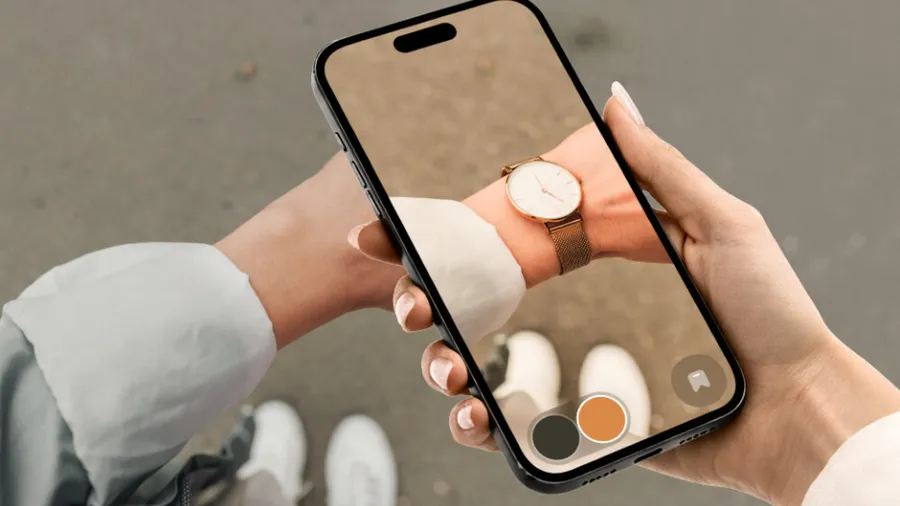
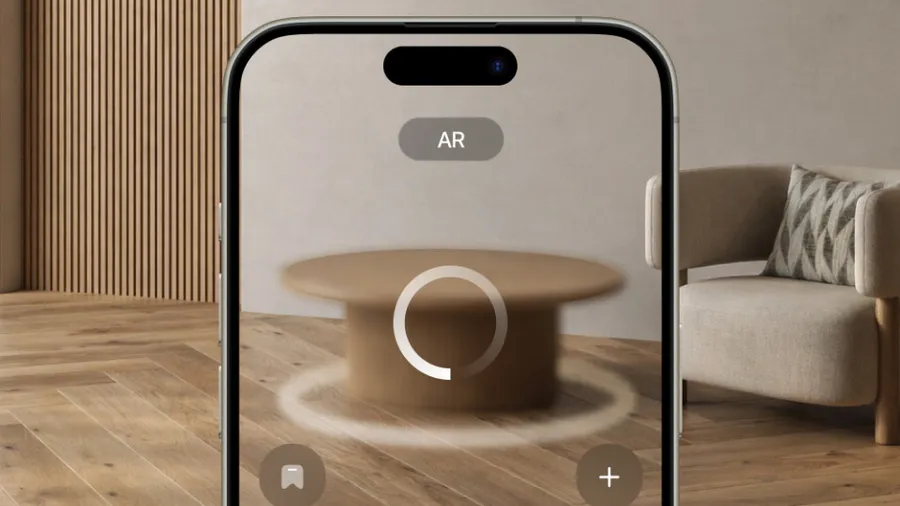
Augmented Reality (AR) blends digital elements into the real world. You’ve probably already used it without thinking much about it—trying on sunglasses through your phone, previewing furniture in your living room, or scanning a product to see extra details.
Virtual Reality (VR) creates fully immersive environments where users can step inside a digital world. While VR is still less common than AR in everyday shopping, it’s becoming an important part of larger AR VR customer experience strategies, especially for storytelling, training, and high-consideration purchases.
Together, these technologies are helping brands replace passive browsing with active participation.
Read Also: AR Without Glasses: A More Natural Way to Experience Augmented Reality
How Augmented Reality Customer Experience Feels More Human
What makes the augmented reality customer experience so powerful isn’t just the visuals—it’s the sense of control it gives people. Customers don’t want to be sold to; they want to explore, compare, and decide at their own pace.
AR allows them to do exactly that.
Imagine someone shopping for a new couch. Instead of scrolling through endless photos, they can place a life-sized version of the couch in their living room using their phone. They can see how it fits, how it matches their walls, and whether it feels right. That experience feels helpful, not pushy.
This is where AR stops being technology and starts becoming a service.
AR Improving Customer Experience by Reducing Friction
At its core, AR improving customer experience is about removing friction. Every question a customer has but can’t easily answer creates hesitation. AR addresses those questions visually and instantly.
Some real-world ways AR improves the experience include:
- Helping customers understand complex products without reading long manuals
- Reducing product returns by setting clearer expectations
- Making onboarding and setup less frustrating
- Turning support interactions into guided, visual experiences
When customers feel confident, they move forward. When they feel supported, they come back.
The Emotional Side of AR VR Customer Experience
Customer experience isn’t just functional—it’s emotional. People remember how a brand made them feel long after they forget the details.
VR, in particular, shines here. A well-designed VR experience can transport someone into a story, a place, or a moment. Whether it’s walking through a future home, attending a virtual event, or exploring how a product is made, VR creates emotional connections that flat screens can’t replicate.
In strong AR VR customer experience strategies, VR is often used less frequently than AR—but when it’s used, it leaves a lasting impression.
Why Customers Are Starting to Expect AR
What’s interesting is that customers rarely ask for AR. They simply expect things to be easier, clearer, and more intuitive. AR happens to be one of the best tools for meeting those expectations.
As more brands adopt augmented reality customer experience features, they stop feeling innovative and start feeling normal. When customers can try one brand’s product in AR, they begin to wonder why others don’t offer the same option.
This quiet shift in expectations is why AR adoption is accelerating across retail, travel, healthcare, education, and even B2B industries.
AR Improving Customer Experience Isn’t About Replacing Humans
There’s a common fear that new technology makes interactions feel cold or automated. But when done right, AR does the opposite.
By answering basic questions visually, AR frees up human support teams to focus on real conversations. Instead of repeating the same instructions, employees can spend time helping customers with more meaningful needs.
In this way, AR improving customer experience actually brings back a more human balance—technology handles the routine, while people handle empathy and creativity.
Looking Ahead: Where AR and VR Are Going Next
We’re still early in this journey. As devices get lighter, faster, and more affordable, AR and VR will blend even more seamlessly into everyday life.
In the near future, we’ll likely see:
- More personalized AR experiences driven by real-time data
- AR becoming a standard part of customer support and onboarding
- VR used for deeper brand storytelling and community building
- Stronger integration of AR VR customer experience across physical and digital spaces
The brands that succeed won’t be the ones with the flashiest demos, but the ones that use these tools to genuinely help people.
Final Thoughts
The real value of AR VR customer experience isn’t about impressing customers—it’s about respecting their time, reducing uncertainty, and making decisions easier. A thoughtful augmented reality customer experience feels less like marketing and more like guidance.
As more companies focus on AR improving customer experience, the line between digital and physical interactions will continue to fade. And for customers, that means fewer doubts, better choices, and experiences that actually feel designed for them—not just sold to them.