· AR · 3 min read
AR without glasses: A more natural way to experience augmented reality
The article explains how augmented reality without glasses offers a more natural, accessible alternative to wearable AR by using familiar devices like smartphones, tablets, public displays, and spatial projections instead of headsets. This approach reduces friction, cost, and social barriers while allowing AR to integrate seamlessly into everyday life through applications such as product visualization, navigation, education, and interactive public spaces. By observing and adapting to the environment rather than placing technology on the user, glassless AR enhances understanding without overwhelming attention, preserves social interaction, and works well in shared settings. As spatial computing advances, this subtle, human-centered form of AR is positioned to become a practical and widely adopted way to enrich reality rather than replace it.
Augmented reality has long been associated with wearable devices—headsets, visors, and smart glasses that promise to merge digital content with the physical world. While these devices are impressive, they are not always practical. A quieter and more human-centered approach is now taking shape: ar without glasses. This form of augmented reality focuses less on what people wear and more on how information appears in the world around them.
Moving Beyond Wearable Technology
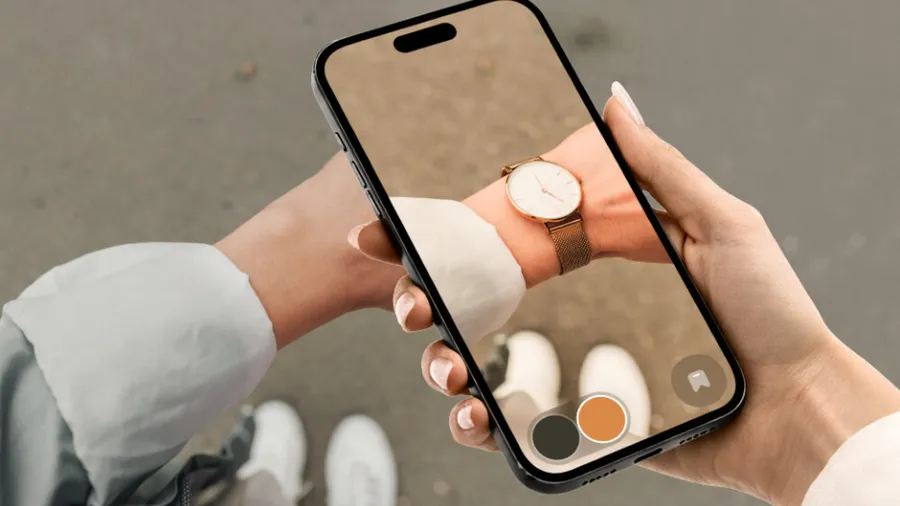
Wearable AR devices introduce friction. They must be charged, fitted, updated, and socially accepted. In contrast, augmented reality without glasses works through familiar tools such as smartphones, tablets, public displays, and spatial projections. Users don’t need to learn new behaviors or adopt new hardware. They simply interact with digital layers using devices they already trust.
This shift lowers the barrier to entry and allows AR to reach far more people.
How AR Without Glasses Functions
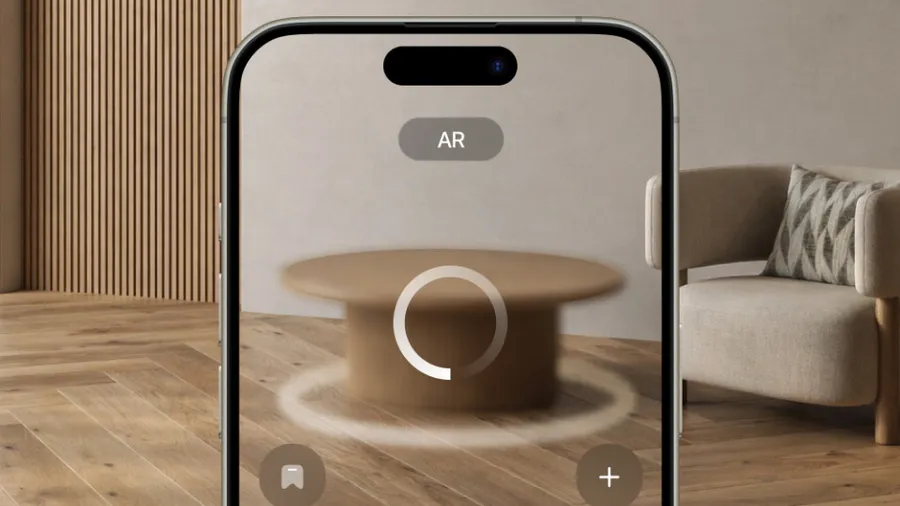
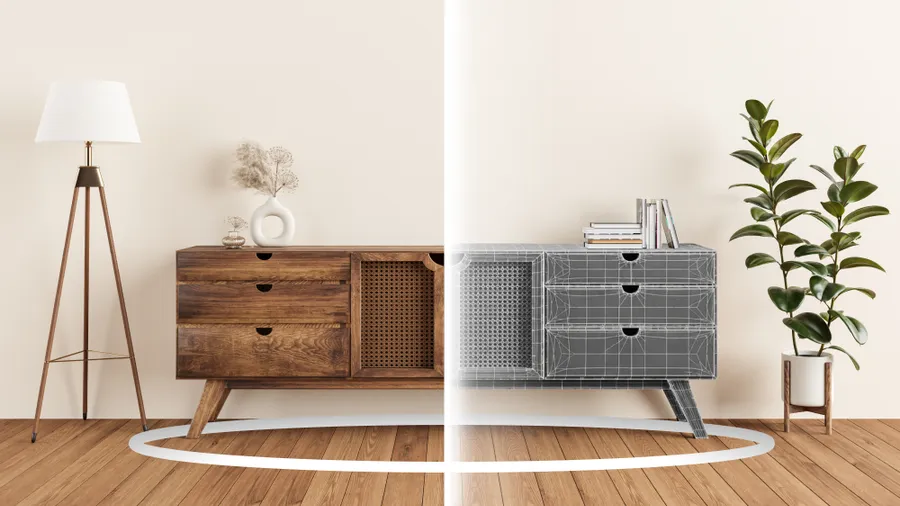
At a technical level, augmented reality without the glasses relies on a combination of software intelligence and environmental awareness. Cameras analyze physical space, algorithms detect surfaces and objects, and digital content is placed accordingly. As users move, the virtual elements remain stable and responsive.
Instead of placing technology on the user, the technology observes the environment and adapts itself to it.
Everyday Experiences Enhanced by Glassless AR
Many people already interact with ar without glasses in daily life, even if they don’t label it as augmented reality. Examples include:
- Visualizing products in a real room using a phone
- Viewing navigation cues over live camera feeds
- Interacting with AR-based educational models on screens
- Exploring interactive exhibits in public spaces
In each case, AR enhances understanding without demanding full immersion.
Read Also: Augmented Reality Without an App: Why the World Is Finally Ready for WebAR
Why This Approach Feels More Human
One of the strengths of augmented reality without glasses is that it respects human attention. Wearable AR often dominates the user’s field of view, while glassless AR allows people to remain aware of their surroundings. Conversations, eye contact, and physical movement remain uninterrupted.
This makes the experience more social, more comfortable, and easier to integrate into shared environments.
Benefits for Businesses and Institutions
For organizations, augmented reality without the glasses offers practical advantages:
No need to distribute or maintain wearable devices
Easier deployment in public or shared spaces
Lower costs and faster adoption
Greater accessibility for diverse users
Retail, education, healthcare, and manufacturing all benefit from AR systems that work immediately, without personal equipment.
AR Without Glasses and the Future of Spatial Computing
As spatial computing advances, the gap between wearable AR and screen-based AR continues to shrink. Improved sensors, AI-driven perception, and real-time processing allow ar without glasses to feel increasingly immersive and accurate.
In the future, entire environments may respond dynamically to human presence—walls, tables, and surfaces becoming interactive layers of information without requiring anything to be worn.
A Subtle but Powerful Evolution
The future of augmented reality may not be defined by what we put on our faces, but by how seamlessly information integrates into our surroundings. Augmented reality without glasses represents a shift toward subtlety, accessibility, and shared experience.
Rather than replacing reality, augmented reality without the glasses enhances it quietly—supporting human perception instead of competing with it.
Final Thoughts
AR does not need to be invasive to be transformative. AR without glasses demonstrates that meaningful digital augmentation can happen through simplicity, familiarity, and thoughtful design. As technology continues to evolve, this approach may become the most natural way people experience augmented reality in everyday life.