
Revealing the Power of Augmented Reality in Interior Design
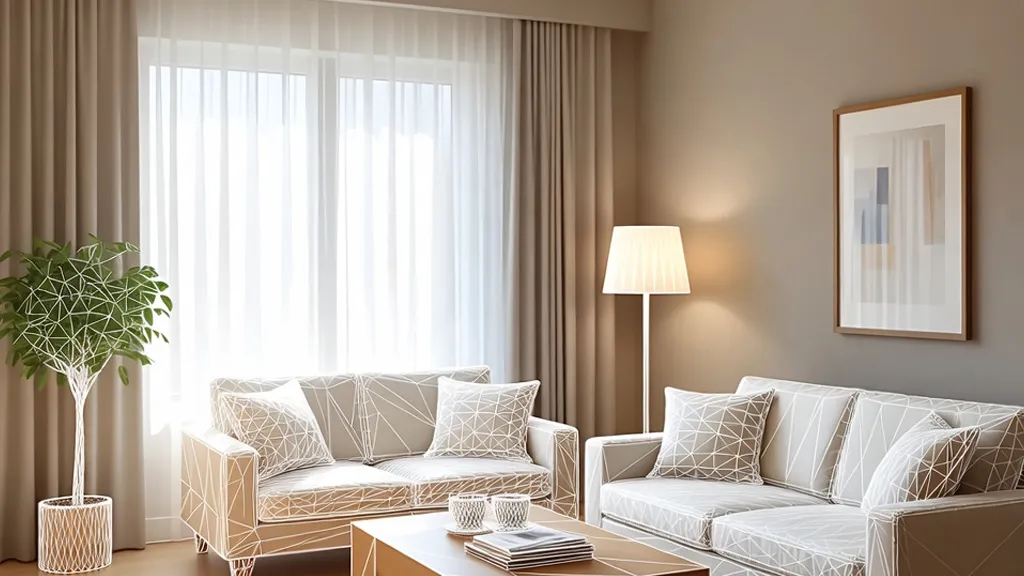
Augmented reality is a game changer in today’s design industry, whether we’re talking about large commercial projects or quick DIY solutions. With its help, people can visualize space modifications in real time and bring their creative ideas to life much more easily. But how does interior design AR work, and what makes the technology so beneficial? Let’s sort things out.
Understanding interior design augmented reality
Augmented reality is a game changer in today’s design industry, whether we’re talking about large commercial projects or quick DIY solutions. With its help, people can visualize space modifications in real time and bring their creative ideas to life much more easily. But how does interior design AR work, and what makes the technology so beneficial? Let’s sort things out.
How does augmented reality work in interior design?
The process of creating an interior design using augmented reality is pretty straightforward. Here’s how it works:
01Spatial scanning
Scan the room with your phone or tablet camera. The AR software will detect its surfaces and dimensions.
02Building a 3D room model
The system will create a digital version of the room for further interior visualization.
03Adding design elements
3D models of the chosen design elements are placed into the digital space. Their proportions are automatically adjusted to the real-world surfaces
04Rendering and user interaction
The AR engine renders design objects in real time, allowing users to move, rotate, or resize items according to their needs.
Benefits of Augmented Reality Interior Design
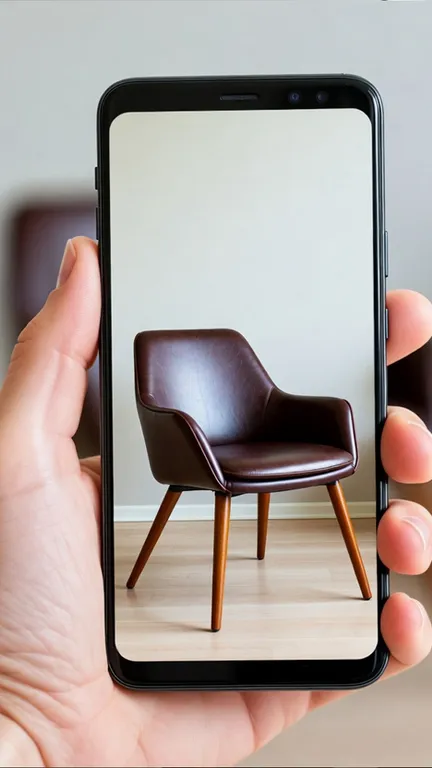
The benefits of AR interior design go far beyond simple visualization. Below are the key advantages of integrating the technology into design projects:
Enhanced accuracy and design visualization
Faster interior design decisions
Streamlined collaboration between designers, clients, and stakeholders
Reduced mistakes and errors during the implementation process
More immersive and personalized user experiences
Increased buyer confidence
Augmented Reality Interiors for Designers
AR interiors give designers the power to overlay accurate 3D elements and layouts onto clients’ environments for realistic previews. This improves collaboration, since professionals can receive instant feedback and make changes accordingly. As a result, project management becomes more efficient, from the very first concept to final implementation.
AR Interior Design in Retail and Ecommerce
Augmented reality interior design is especially beneficial in the retail and ecommerce industries. The technology allows customers to visualize products in their own spaces before buying, which fosters more informed, well-thought-out purchasing decisions. Besides exploring realistic 3D visuals, users can also customize their interior designs right away (e.g., change wall color or furniture finishes) for the best project outcomes. So, retailers see higher conversion rates and fewer returns.
Role of 3D Models in AR Interior Design
high-quality, accurate 3D models are a prerequisite for realistic interior designs. With their help, the rendered objects appear with correct proportions and details, so users can understand how each item looks in their space.
the correct scale allows 3D objects to match real room dimensions, preventing sizing issues. Proper materials and textures are also important, since they give users a clear view of specific design patterns.
3D models should be optimized for smooth rendering on mobile devices. That’s why it’s worth using reliable AR tools or turning to professional services to achieve seamless results.
Business Value of Augmented Reality in Interior Design
More and more brands are investing in AR interior design, and for good reason. Statistics prove that this is a smart solution for modern businesses:
Conversion rates for AR-powered designs are 94% higher than for traditional ones.
77% of clients say they’d like to use AR for sorting through product colors and styles
40% of clients don’t mind paying more for a product if there’s an option to preview it in AR directly on the website.
Businesses adopting AR notice a 20% reduction in returns.
70% of furniture buyers report enhanced confidence in online purchases if they can use AR to visualize products in their own spaces.
Future of Augmented Reality Interior Design
AR interior design is rapidly growing in popularity, so its future looks very promising. Here’s what we’re likely to see in the upcoming years:
AI-powered personalization to analyze client preferences and suggest design layouts
Integration with smart home ecosystems
Blending AR experiences with VR and MR
Increased use of cloud-based collaborative platforms for creating AR interiors
Conclusion
Augmented reality offers a more engaging and interactive approach to interior design. It helps users feel confident about their choices, whether it comes to selecting furniture, experimenting with colors, or changing room layouts. With that in mind, adopting AR interior design isn’t just a technological upgrade but a strategic move toward high-quality project results. And once you’re ready to embrace innovation, Vizbl is here to help!
Start using AR in just a few days
Don’t have 3D models? We’ve got you covered