
AR in Home Decor: Benefits and Use Cases
Decorating living spaces is often more challenging than it seems. Will a paint color harmonize with furniture? How will the lighting affect the way your kitchen looks? Might a large cushioned sofa feel too dominant in the room? Static website images can rarely answer such questions. This is when AR comes into play, becoming one of the biggest tech trends reshaping interior design. Keep reading to learn more about the power of AR in home decor.

What Is Augmented Reality Home Decor?
Augmented reality is a smart technology used for visualizing decor items in real spaces. Unlike traditional 2D images, it provides interactive virtual try-ons, allowing you to see how a particular product looks in your home. This reduces guesswork and fosters confident design decisions.
How Augmented Reality Works in Home Decor
Home decor augmented reality involves overlaying 3D models of physical products onto the real-world environments via a smartphone or tablet camera. Here’s how it works:
Open website
Open an online shop offering AR visualization.
Click button
Choose a product you’d like to try and click the "View in AR" (or similar) button.
Try AR
Point your camera at the desired home space, and the 3D model of your chosen product will appear on the screen.
Now you can move and rotate the product, as well as customize its visual characteristics to make a well-informed purchasing decision.
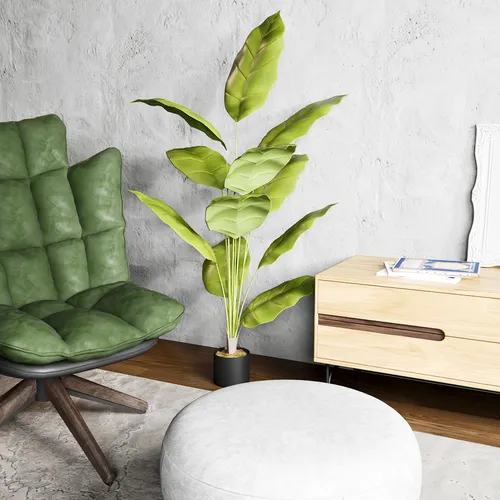
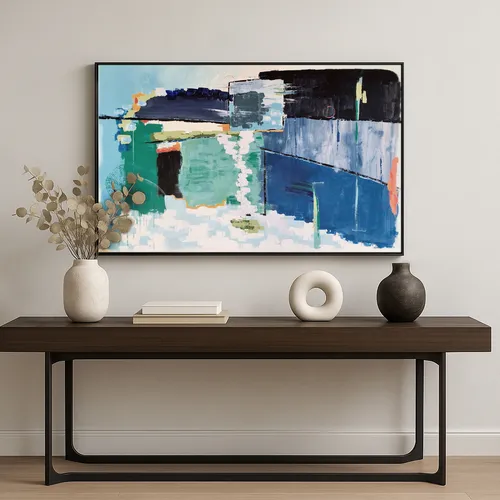
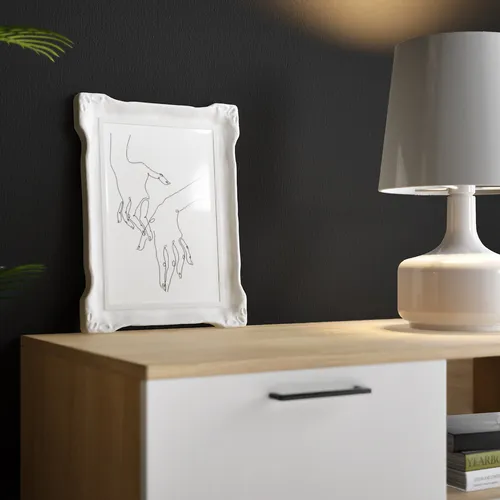
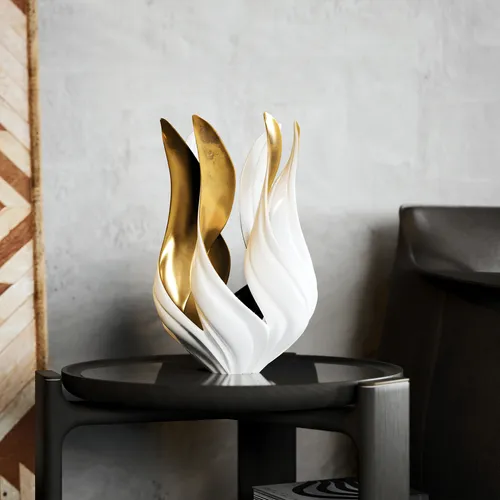
Here are a few examples below:
Benefits of Augmented Reality for Home Decor
AR home decor solutions deliver many benefits for both business owners and their customers, including:
Professional presentation of home decor items
Realistic product visualization in real-world environments
Engaging shopping experiences
Enhanced experimentation and creativity
Faster and more informative customer decisions
Reduced returns
Higher conversion rates and increased customer loyalty
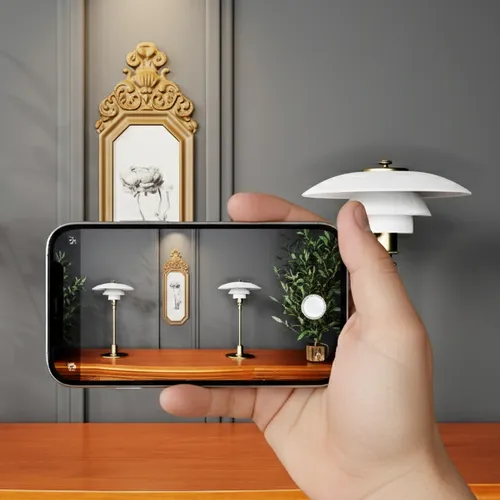
Augmented Reality for Home Decor in Retail and Ecommerce
Augmented reality transforms the way people interact with home decor, both in physical stores and online. In stores, customers can use the technology to see products in settings that go far beyond the showroom, as well as try different color options and explore out-of-stock items.
When it comes to ecommerce websites, AR allows customers to place decor elements in their own homes. Such an interactive preview eliminates uncertainties and boosts confidence in buying decisions. Statistics show that integrating augmented reality into product pages makes customers 94% more likely to complete purchases.
Use Cases of AR in Home Decor
Augmented reality proves to be helpful in a variety of areas related to home decoration. Here’s how the technology can be used:
- Virtual furniture placement and visualization
- DIY home renovation projects
- Interactive exploration of decor items
- Testing paint colors and wall coverings
- Rearranging room layouts
- Personalizing interior design
- Lighting visualizations
Navigating AR Challenges and Limitations
Even though augmented reality for home decor is gaining popularity and proves to be very beneficial, several possible challenges of implementing the technology should still be considered in advance:
Development of 3D models: it’s important for 3D models to be as accurate as possible for high-quality AR experiences. So, it’s recommended to turn to professionals whenever you want to adopt the technology for your business.
Technical compatibility across devices: opt for web-based AR solutions that work well across different devices, operating systems, and browsers.
Performance and loading considerations: make sure that AR interactions don’t cause lags or glitches. In addition, optimize 3D models for faster loading times.
Future of Augmented Reality in Home Decor
Augmented reality is widely used in a variety of industries, and its role in the home decor sector is expected to grow significantly. What was once an innovative feature is gradually becoming an essential tool for retailers and ecommerce brands looking to meet growing customer expectations. Here are the key technological trends shaping the future of AR in home decor:
- Integration with AI-powered tools
- Synchronization of AR designs with smart home devices
- More realistic 3D models with advanced texture simulation
- Multi-user AR experiences for collaborative home decor planning
- Cloud-based 3D model libraries for faster content updates
Conclusion
Augmented reality propels the home decor industry into a new era of possibilities. The technology drives sales and enriches customer experience, making it more immersive, informative, and personalized. Whether you want to create accurate 3D models or integrate AR into your website, Vizbl can help. Get in touch with our specialists and give your customers the power to transform their home decor dreams into reality!
Start using AR in just a few days
Don’t have 3D models? We’ve got you covered