· AR · 3 min read
The rise of AR appliance technology in modern homes
Discover the rise of AR appliance technology transforming modern homes through interactive, intelligent, and immersive functionality. Augmented reality appliances use digital overlays and sensors to guide users with real-time instructions, maintenance tips, and personalized feedback. From AR cooking assistance to smart mirrors and visual diagnostics, these innovations enhance convenience, safety, and sustainability—reshaping everyday living and paving the way for the next generation of connected homes.

As homes become smarter and more connected, daily life is being enhanced through digital innovation. Among the most exciting shifts is the emergence of the AR appliance market. Unlike traditional smart devices, ar appliances use augmented reality to blend digital information into the physical world, creating a more intuitive and intelligent household environment.
Understanding Augmented Reality Appliances
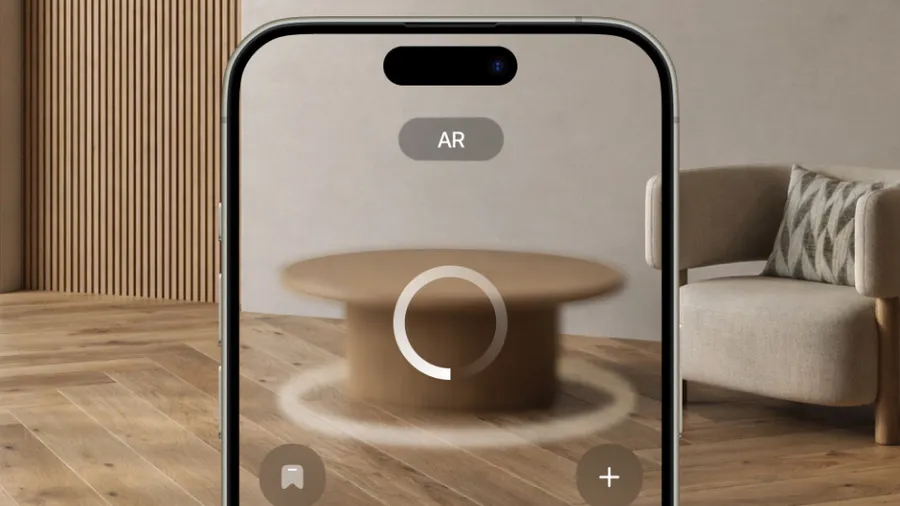
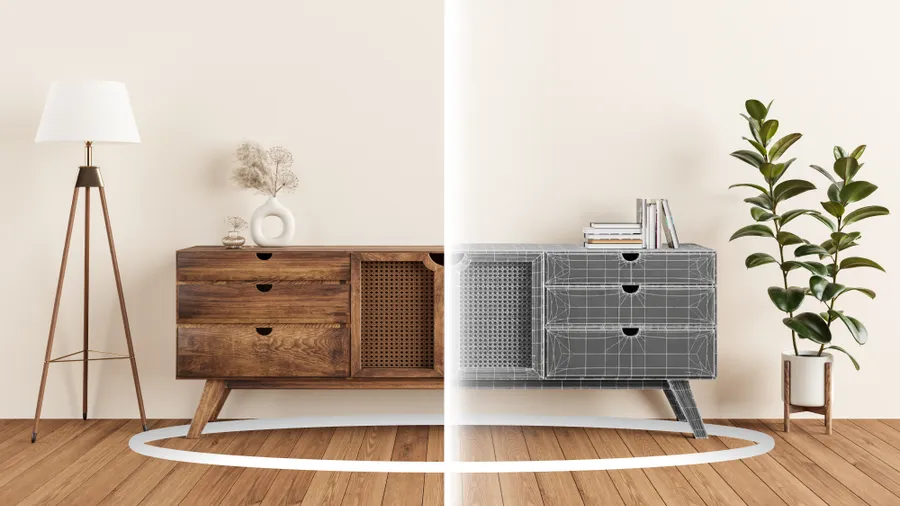
Augmented reality appliances are household electronics equipped with sensors, digital overlays, and interactive visual guidance. This technology enhances real-world appliances with projected or screen-based information, helping users operate, maintain, and understand their devices more easily.
In simple terms, these appliances do not just perform tasks — they teach, guide, and interact.
Different Forms of Augmented Reality Appliances
There are many different forms of augmented reality appliances appearing across homes and workplaces. They vary widely in function and sophistication, but they all share the same goal: to improve convenience, accuracy, and user experience.
Examples include:
Kitchen appliances with AR cooking guidance showing portion sizes, cooking steps, or timers directly on surfaces
Laundry machines with AR troubleshooting overlays that highlight buttons or maintenance steps
Refrigeration systems with internal AR labeling to help organize food, track expiration dates, or recommend recipes
Heating and cooling systems with AR airflow visualization to help understand distribution and performance
Bathroom mirrors with AR facial analytics for grooming, skincare, and health monitoring cues
Household cleaning devices with AR mapping for coverage insights and cleaning path displays
These innovations help users feel more confident using complex technology while reducing learning curves.
The Role of Augmented Reality in Electronics Development
The integration of augmented reality in electronics represents a major evolution in consumer technology. Instead of static displays or complicated instruction manuals, AR adds context-aware information right where it is needed. This assists users in real time and makes appliances more accessible, even for those unfamiliar with advanced devices.
Through AR, manufacturers can support:
Faster product adoption
Reduced customer support demand
Longer appliance lifespan through easy maintenance instructions
Enhanced safety through visual alerts and warnings
More sustainable use by guiding efficient settings and energy-saving choices
Everyday Benefits of AR Appliances
In everyday use, ar appliances bring both subtle and transformative benefits, such as:
Hands-free instructions projected during cooking or equipment setup
Real-time diagnostics helping identify mechanical issues early
Visual measurements and indicators for precise use of ingredients, cleaning supplies, or maintenance parts
Personalized guidance based on habits, preferences, and household needs
These functions reduce frustration, empower users, and ultimately save time and resources.
Future Potential of Augmented Reality Appliances
The future of augmented reality appliances is full of exciting possibilities. As AR interfaces become more natural and computer vision becomes more advanced, household electronics are expected to:
Understand gestures and voice in combination
Create immersive maintenance and training simulations
Provide detailed environmental feedback, such as humidity or air quality visualization
Integrate with wearable technology for seamless control
Offer predictive recommendations based on usage patterns
In the coming years, AR is expected to be a standard component of home appliances, just as touchscreens and mobile connectivity became mainstream before it.
Conclusion
The innovation of augmented reality in electronics is reshaping how people interact with their homes. With instruction-rich visuals, simplified controls, and real-time support, ar appliances upgrade everyday living from simple functionality to intelligent interaction. As this technology evolves, augmented reality appliances will become a foundational part of modern domestic life, redefining convenience and transforming the future of home automation.