· AR · 5 min read
Top 10 augmented reality website examples that prove the web isn’t flat anymore
The article explains how augmented reality (AR) websites are transforming the traditional web experience by allowing users to interact with digital content in their real-world environment directly through a browser, without needing to download apps. Thanks to WebAR technology, brands across industries—such as IKEA, Nike, L’Oréal, LEGO, BMW, Shopify stores, Snapchat, National Geographic, and Gucci—are using AR to solve real problems, improve product visualization, enhance storytelling, and create more engaging user experiences. These examples show that effective AR websites focus on usefulness, speed, and clear purpose rather than flashy technology, helping users better understand products or content and make decisions more confidently. The article concludes that AR is expanding what websites can do and will likely become a standard feature in ecommerce, education, and digital storytelling in the near future.

For years, websites have looked… well, like websites. Scroll, click, watch a video, maybe spin a 3D model if you’re lucky. But something has shifted recently, and if you’ve been paying attention, you can feel it.
The web is starting to step off the screen.
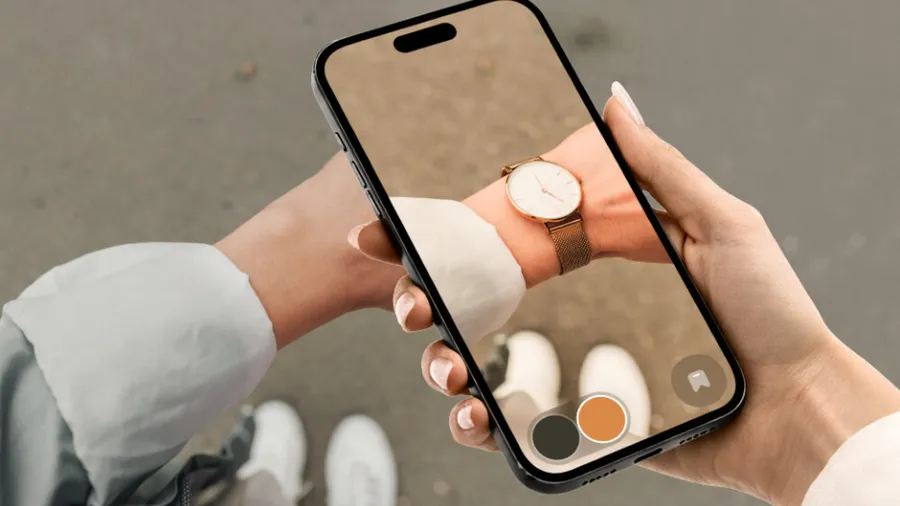
Thanks to WebAR and browser-based spatial tech, we’re now seeing a new class of experiences emerge—augmented reality websites that don’t just show information, but place it into your world. No app downloads. No learning curve. Just open a link and interact.
In this article, we’re diving into augmented reality website examples that genuinely move the needle. These aren’t gimmicks. They’re websites that use augmented reality to solve problems, tell better stories, and create moments users actually remember.
Why Augmented Reality Websites Are Suddenly Everywhere
Let’s get one thing straight: AR isn’t new. What is new is accessibility.
Web-based AR removes the biggest friction point AR has always had—apps. When AR lives directly in the browser, it becomes something users can casually try, share, and return to. That’s why more brands are experimenting with websites using augmented reality, and why the best ones are seeing real results.
From ecommerce to education, augmented reality websites examples are proving that immersion drives understanding—and understanding drives action.

Read Also: The Augmented Reality Art Gallery: Where Art Finally Breaks the Frame
Top 10 Augmented Reality Websites Worth Your Time
Here’s our take on the top 10 augmented reality websites that actually get it right.
Not just flashy. Not just experimental. These are experiences that feel intentional.
1. IKEA’s WebAR Product Placement
If you’ve ever wondered what a couch would look like in your living room before buying it, IKEA probably answered that question for you first.
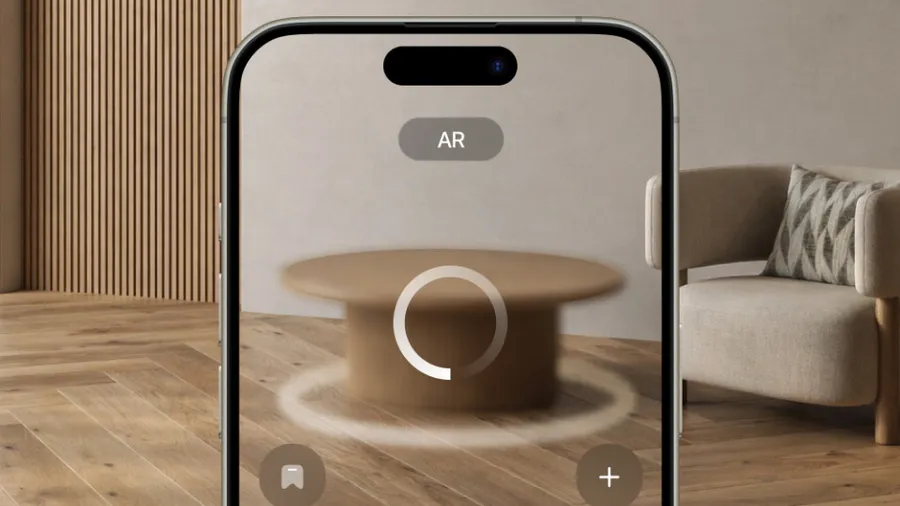
This augmented reality website example lets users drop true-to-scale furniture into their space directly from the browser. It’s practical, surprisingly smooth, and genuinely useful.
Why it stands out:
It replaces imagination with certainty—and that’s powerful.
2. Nike’s AR Sizing Experience
Nike’s approach to AR isn’t about spectacle. It’s about solving a frustrating problem: sizing.
Using an AR website example that scans feet through the browser, Nike helps users find the right fit with confidence. That’s not just cool tech—it’s smart UX.
Why it stands out:
Less guesswork means fewer returns and happier customers.
3. L’Oréal’s Virtual Try-On
Beauty is one of the spaces where AR just makes sense. L’Oréal’s WebAR try-on experience is often cited among the best augmented reality websites, and for good reason.
You don’t read about lipstick—you see it on your face.
Why it stands out:
Instant feedback beats static product images every time.
4. LEGO’s Interactive AR Worlds
LEGO understands something many brands forget: play matters.
Their AR-powered web experiences turn physical sets into animated worlds, making them one of the cool augmented reality websites for younger audiences and families.
Why it stands out:
It transforms products into stories, not just objects.
5. BMW’s WebAR Vehicle Visualizer
Buying a car is emotional—and BMW leans into that with AR. Their browser-based car visualizer lets users explore vehicles at full scale, open doors, and inspect details from every angle.
Among websites that use augmented reality, this is one of the strongest automotive examples.
Why it stands out:
Big purchases benefit from big visualization.

6. Shopify Stores Using WebAR
Thousands of ecommerce brands now quietly use AR through Shopify product pages. These websites using augmented reality allow customers to preview items in their actual environment before buying.
It’s subtle. It’s effective. And it works.
Why it stands out:
AR becomes part of the shopping flow, not a distraction.
7. Snapchat’s Web-Based AR Experiences
Snapchat showed that AR doesn’t have to live inside an app. Their browser-accessible lenses blur the line between social media and the open web.
As an augmented reality website example, it proves how shareable WebAR can be.
Why it stands out:
Social behavior translates seamlessly to the browser.
8. National Geographic’s AR Storytelling
Some of the best augmented reality websites aren’t selling anything—they’re teaching.
National Geographic uses AR to bring stories, animals, and environments into the reader’s space. It’s immersive journalism at its best.
Why it stands out:
Learning sticks when it’s experienced, not skimmed.
9. Gucci’s AR Sneaker Try-On
Luxury brands are often cautious with new tech, but Gucci embraced AR early—and it shows.
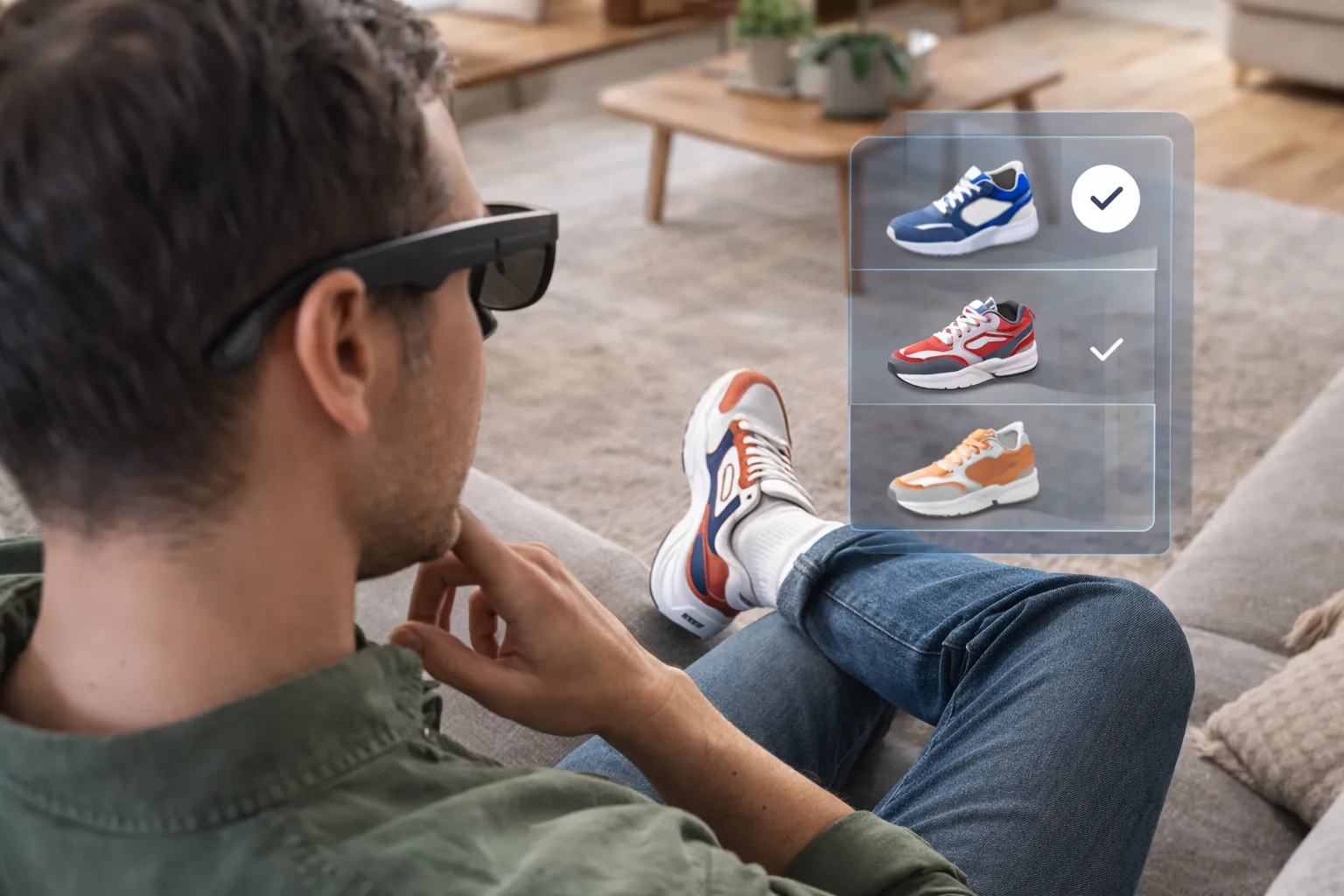
Their sneaker try-on experience is polished, confident, and unmistakably premium. Among top augmented reality websites, it sets a tone for high-end retail.
Why it stands out:
AR enhances exclusivity instead of cheapening it.
10. Vizbl-Powered WebAR Experiences
At Vizbl, the focus isn’t on novelty—it’s on usable, scalable augmented reality websites that businesses can actually deploy.
From interactive product showcases to immersive brand activations, Vizbl demonstrates what the best augmented reality website looks like when performance, accessibility, and design align.
Why it stands out:
No apps. No friction. Just instant AR that works.
What the Best Augmented Reality Websites Have in Common
After exploring all these augmented reality websites examples, a few patterns emerge:
- They load fast
- They explain themselves instantly
- They serve a clear purpose
- They respect the user’s time
The best augmented reality websites don’t scream “look at this tech.”
They quietly say, “this is easier now.”
Where Augmented Reality Websites Are Headed Next
We’re still early.
Soon, websites that use augmented reality won’t be a category—they’ll be the baseline for ecommerce, education, and brand storytelling. Static pages will feel outdated in comparison.
AR isn’t replacing the web.
It’s expanding it.
Final Thoughts
If you’re looking for inspiration, these top 10 augmented reality websites show what’s possible when AR is done with intention.
And if you’re building for the future, now is the moment. The brands experimenting with cool augmented reality websites today are the ones setting expectations for tomorrow.
The web is no longer flat—and that’s a very good thing.