· AR · 4 min read
Augmented reality websites: when the internet steps into the real world
Augmented reality (AR) websites use a device’s camera and browser to blend digital content with the real world, allowing users to interact with products or 3D objects directly in their own environment without downloading an app. This transforms browsing from passive viewing into an engaging, personalized experience, helping industries like ecommerce, marketing, and education build trust and better showcase products. As mobile browsers improve, AR websites are becoming faster, more accessible, and likely to play a major role in the future of web experiences.

For a long time, websites have lived behind glass. You scroll, you click, you read — and that’s it. But something fundamental is changing. Augmented reality websites are breaking that invisible wall between the screen and the real world, turning passive visitors into active participants.
This isn’t about flashy tech for the sake of it. It’s about making the web feel real again.
Why Augmented Reality on Websites Feels So Different
Think about the last time a website truly surprised you. Not impressed — surprised.
That’s the emotional gap augmented reality on a website fills.
When users can:
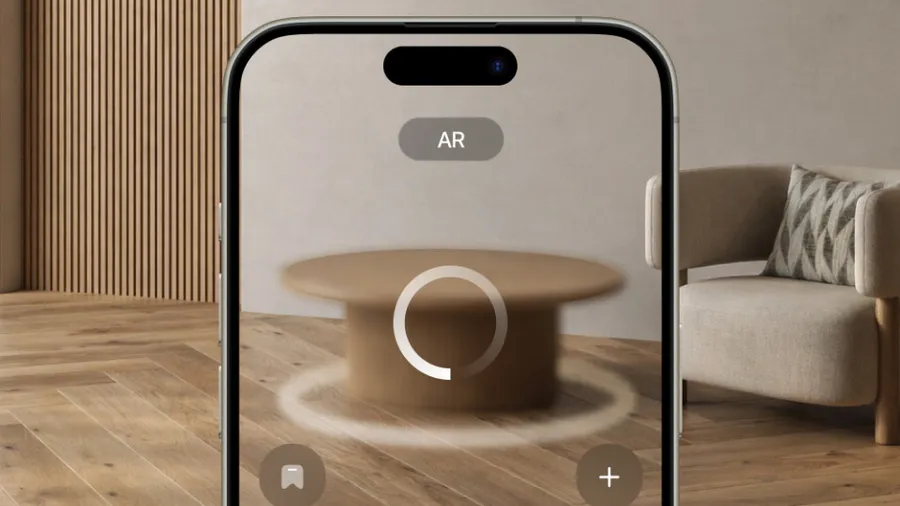
- Place a product in their own room
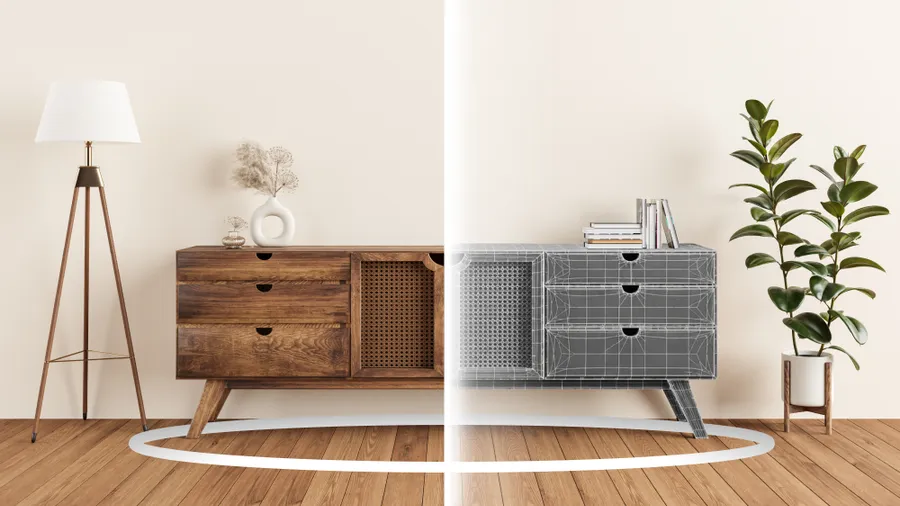
- Walk around a 3D object
- Interact with digital elements in real space
they stop “browsing” and start experiencing.
That shift — from observer to participant — is why website augmented reality is so powerful.
Read Also: iPhone Augmented Reality Furniture Is Changing How We Buy for Our Homes
What Actually Is an Augmented Reality Website?
An augmented reality website uses your device’s camera and browser to blend digital content with the physical world. No app download. No setup friction. Just open a link and go.
This is what makes augmented reality in websites fundamentally different from traditional AR apps:
- It’s instant
- It’s shareable
- It’s accessible
Anyone with a smartphone can experience it, which is why websites with augmented reality are spreading so fast across industries.
The Human Advantage of Augmented Reality Websites
Here’s the part people don’t talk about enough:
Augmented reality websites feel personal.
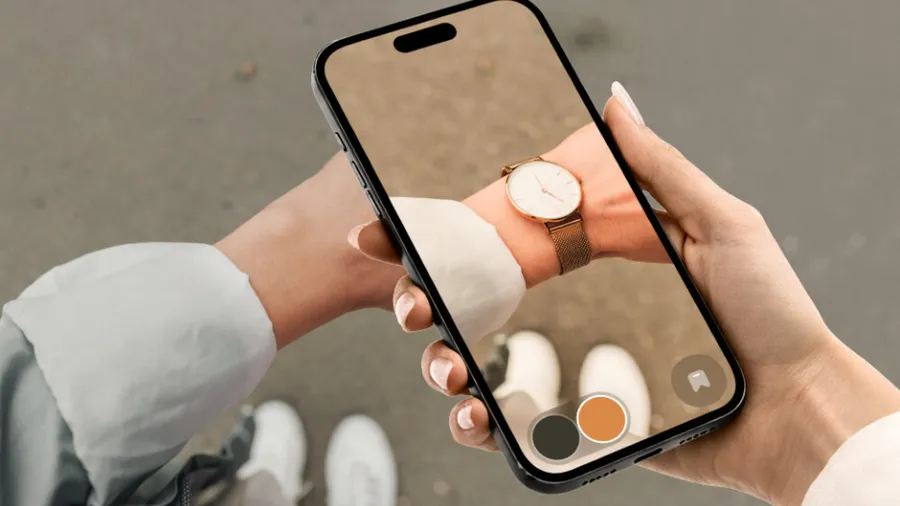
When a user sees a couch in their living room or a product on their desk, the experience automatically adapts to their life. That personal context builds trust faster than any product description ever could.
This is why augmented reality website design isn’t just a technical upgrade — it’s a psychological one.
People don’t just see your product.
They imagine owning it.
Real Ways Brands Use Augmented Reality in Websites
ecommerce That Feels Honest
Instead of guessing sizes, colors, or fit, customers can see products in real scale. Augmented reality websites reduce returns and increase confidence — because what you see is what you get.
Marketing That People Actually Remember
A campaign page becomes interactive. Users explore, discover, and play. Augmented reality on websites turns marketing into a story instead of a pitch.
Digital Showrooms Without Physical Limits
Cars, furniture, fashion, tech — virtual and augmented reality websites let brands showcase products without warehouses or retail space.
Education That Makes Sense
Complex ideas become tangible. With augmented reality in website experiences, learning stops being abstract and starts being visual and intuitive.
Augmented Reality Mobile Websites: The Sweet Spot
Most AR experiences happen on phones — naturally. That’s why the augmented reality mobile website is where this technology truly shines.
Modern mobile browsers can now:
- Detect surfaces
- Track movement
- Render high-quality 3D
A well-optimized augmented reality on website experience can load in seconds and work anywhere — at home, in-store, or on the street.
This mobility is what makes AR feel spontaneous instead of staged.
Total Immersion Augmented Reality Websites
Some brands go even further, building total immersion augmented reality websites that blur the line between digital and physical almost completely.
These experiences don’t just add AR — they are built around it.
You’ll often see them used for:
- High-impact brand launches
- Experiential storytelling
- Interactive exhibitions
- Future-forward product reveals
In these cases, the website itself becomes the destination.
Augmented Reality App Website vs Traditional AR Apps
A common question is whether to build an app or an augmented reality app website.
Here’s the honest truth:
- Apps offer depth, but demand commitment
- Websites offer reach, speed, and flexibility
For marketing, ecommerce, and storytelling, website augmented reality usually wins. It meets users where they already are — in the browser — instead of asking for an extra step.
Designing Augmented Reality Websites That Don’t Feel Gimmicky
Bad AR feels like a demo.
Good AR feels inevitable.
Strong augmented reality website design focuses on:
- Clear purpose (why AR exists on the page)
- Smooth onboarding (no confusion, no friction)
- Performance (fast loading matters more than fancy effects)
- Natural interaction (tap, move, explore — nothing forced)
The best websites with augmented reality don’t scream “look at this tech.”
They quietly make the experience better.
Where Augmented Reality Websites Are Headed
We’re still early.
As browsers evolve and devices get smarter, augmented reality websites will become:
- More personalized
- More social
- More seamless
Soon, the question won’t be _“Should we add AR?”
_It will be “Why wouldn’t we?”
Final Thoughts
An augmented reality website isn’t just a trend or a feature. It’s a shift in how the web connects with real life.
By bringing digital experiences into physical space, augmented reality websites create trust, curiosity, and emotional connection — the things that actually move people to act.
Whether you’re experimenting with augmented reality in a website, building a next-level augmented reality mobile website, or dreaming up a total immersion augmented reality website, one thing is clear:
The future of the web isn’t flat.
It’s layered on top of the world we live in.
If you want, I can make this even more Vizbl-specific — sharper brand voice, bolder opinions, or more product-led storytelling.